
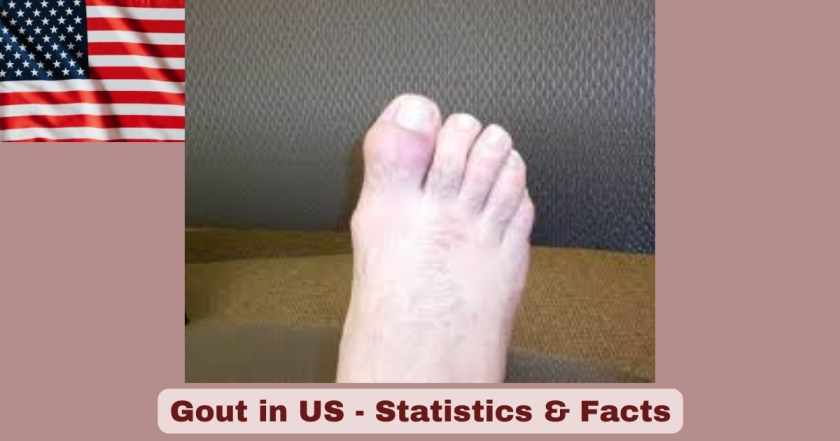
What Is Gout?
Gout is the most common form of inflammatory arthritis in the United States — a distinction it has held for decades, and one that carries more weight today than ever before. It is caused by the buildup of monosodium urate (MSU) crystals in the joints and surrounding soft tissues, triggered by chronically elevated levels of uric acid in the bloodstream — a condition known as hyperuricemia. When those crystals deposit in a joint, the immune system launches an attack on them as if they were a foreign invader, producing the explosive, often debilitating pain that gout patients describe as one of the most severe they have ever experienced. The big toe joint is the most famously affected site — a condition called podagra — but gout can strike the ankle, knee, wrist, elbow, and fingers with equal ferocity. First documented in ancient Egypt and described clinically by Hippocrates, gout has carried the nickname “the disease of kings” for centuries, associated historically with the overindulgence of wealthy men. In 2026, the reality is far less romantic: gout is a disease of millions of ordinary Americans, driven by rising obesity rates, aging demographics, worsening rates of chronic kidney disease (CKD), and the ubiquity of processed, fructose-laden foods in the American diet.
In America in 2026, gout affects an estimated 9.2 million adults — approximately 3.9% of all US adults — and its prevalence has doubled over the past two decades. That growth trajectory has not meaningfully slowed. The United States carries the largest documented increase in gout prevalence and disease burden of any country in the world between 1990 and 2019, according to the Global Burden of Disease Study, with a 90.6% increase in prevalence among men and a 47.1% increase among women over that period. Despite gout being one of the most thoroughly understood and genuinely treatable diseases in all of rheumatology — with inexpensive, effective medications available — it remains chronically undertreated and poorly managed across the healthcare system. Gout flares go unreported to doctors. Urate-lowering therapy is underprescribed and underdosed. Comorbidities including hypertension, cardiovascular disease, type 2 diabetes, and chronic kidney disease cluster around gout patients in patterns that substantially elevate their risk of serious illness and early death. This article draws on the most current verified data from the CDC, NIH, NHANES, the American College of Rheumatology (ACR), the Global Burden of Disease Study 2021, and the latest peer-reviewed clinical research to give you the most complete, data-driven picture of gout statistics in the US in 2026.
Interesting Gout Facts in the US 2026
Before moving into the section-by-section data, here are the most important, best-documented, and most illuminating facts about gout in America in 2026 — drawn exclusively from verified US government and peer-reviewed institutional sources.
| Fact | Detail |
|---|---|
| Total US adults with gout | ~9.2 million (~3.9% of all adults) |
| Gout prevalence doubling timeframe | Prevalence doubled over the past two decades |
| Gout among men in the US | 6.1 million men (~7.1% prevalence) |
| Gout among women in the US | 2.2 million women (~3.0% prevalence) |
| Men vs. women gout ratio | Men are 3 to 4 times more likely to develop gout |
| Hyperuricemia prevalence in healthy US adults | 6–8% of the general adult population |
| Hyperuricemia with uncontrolled hypertension / CVD risk factors | Prevalence of 1 in 3 adults in that category |
| Gout flare burden per patient per year (US) | 6.6 gout flares per year on average |
| Gout flares not reported to physicians | ~72% of all gout flares go unreported or are self-managed |
| US gout prevalence increase (1990–2019) — men | +90.6% — highest increase of any country in the world |
| US gout prevalence increase (1990–2019) — women | +47.1% — highest increase of any country in the world |
| Gout patients developing any CVD vs. matched controls | 58% higher risk of cardiovascular disease |
| Gout patients under 45 — CVD risk vs. matched controls | 2.22x higher risk (more than double) |
| Gout patients with hypertension | Up to 60–75% of gout patients have hypertension |
| Gout prevalence in adults 80+ | 11–13% (highest of any age group) |
| Annual gout-related costs in CKD patients (US, 2023) | $38.9 billion (projected to reach $47.3B by 2035) |
| African American women gout prevalence | 3.5% — vs. 2.0% in White women (OR: 1.81) |
| African American men gout prevalence | 7.0% — vs. 5.4% in White men (OR: 1.26) |
| Patients achieving target serum urate (<6 mg/dL) in primary care | Fewer than 50% — treat-to-target approach widely underused |
| Gout-associated new CHD cases projected (US, 2023–2035) | 964,100 new cases of coronary heart disease |
| Gout-associated new hypertension cases projected (2023–2035) | 908,700 new cases |
| Gout-associated new type 2 diabetes cases projected (2023–2035) | 764,600 new cases |
| Gout-associated new strokes projected (2023–2035) | 441,400 new strokes |
| Global gout burden by 2050 | 95.8 million people (up from 55.8M in 2020) |
Source: Zhu et al., Arthritis & Rheumatism (NHANES 2007–2008); ACR Open Rheumatology (Singh et al., November 2024 / January 2025); Global Burden of Disease Study 2021 — Lancet Rheumatology (July 2024); Scientific Reports — Global Burden of Gout 1990–2019 (July 2024); National Kidney Foundation; Card-Gowers et al., Rheumatology and Therapy (June 2024); Lancet Rheumatology — Gout and 12 CVDs (March 2024); StatPearls (NCBI Bookshelf, June 2025)
The facts table above captures the full scope of the gout crisis in the United States in 2026 — and crisis is not an overstatement. A disease that affects 9.2 million Americans, that has doubled in prevalence in just two decades, and that raises a patient’s cardiovascular risk by 58% relative to matched controls simply cannot be treated as a peripheral concern in American medicine. The finding that the United States leads the entire world in the percentage increase in gout burden between 1990 and 2019 — ahead of every other high-income country — reflects a combination of dietary, metabolic, demographic, and pharmaceutical trends that are distinctly and severely American in character: the proliferation of high-fructose corn syrup, the obesity epidemic, the aging Baby Boomer population, and the widespread use of diuretics and low-dose aspirin that raise uric acid as a side effect.
The 6.6 annual gout flares per patient and the fact that 72% of those flares never reach a physician are perhaps the most clinically actionable numbers in the entire table. They expose a disease management system that is failing on two fronts simultaneously: patients are not reporting their disease burden, and clinicians are not using the treat-to-target strategies that evidence consistently shows are more effective at controlling serum urate levels and preventing long-term joint destruction. The projected $47.3 billion annual cost of gout in the CKD population alone by 2035, alongside nearly 1 million new cases of coronary heart disease linked to gout-associated comorbidity over the next decade, tell a story of downstream consequences that dwarf the cost of simply treating the underlying disease correctly in the first place.
Gout Prevalence and Incidence in the US 2026
Gout Prevalence and Trend Data in the US 2026
| Prevalence Metric | Data |
|---|---|
| Total US adults with gout | ~9.2 million (~3.9% of adults aged 20+) |
| US gout prevalence — men | ~6.1 million (approximately 7.1% of men) |
| US gout prevalence — women | ~2.2 million (approximately 3.0% of women) |
| Overall US gout prevalence — NHANES 2007–2008 | 3.9% (age-adjusted, adults 20+) |
| US gout prevalence — NHANES 1988–1994 (baseline) | 2.9% |
| Increase in gout prevalence (1988–1994 to 2007–2008) | +34% (2.9% → 3.9%) |
| Prevalence doubling timeframe | Doubled between the 1960s and 1990s; continued rising |
| Gout prevalence in adults 65+ | Markedly elevated vs. younger adults |
| Gout prevalence in adults 80+ | 11–13% |
| Gout incidence rate — US general population | 0.84 per 1,000 person-years (large US cohort, 1987–2012) |
| Gout claims incidence growth (1990–1999) | From 2.9 per 1,000 to 5.2 per 1,000 |
| Global gout prevalence (2020) | 55.8 million people worldwide |
| US prevalence increase (males) — 1990 to 2019 | +90.6% — highest in the world |
| US prevalence increase (females) — 1990 to 2019 | +47.1% — highest in the world |
| Projected global gout cases by 2050 | 95.8 million (70%+ increase from 2020) |
| Hyperuricemia prevalence — US healthy adults | 6–8% |
| Age-adjusted prevalence — unchanged (2007–2016) | Stable age-adjusted rate, but total numbers growing with population aging |
Source: Zhu et al., Arthritis & Rheumatism (NHANES 2007–2008); Dalbeth et al., Lancet (2021); Global Burden of Disease Study 2021 — Lancet Rheumatology (July 2024); Scientific Reports — GBD Gout 1990–2019 (July 2024); National Kidney Foundation; StatPearls NCBI Bookshelf (June 2025); Chen et al., PMC — NHANES 2007–2016 (2019)
The gout prevalence data for the US in 2026 tells a story that is almost paradoxical in its stubbornness. The age-adjusted prevalence rate has remained relatively stable in the most recent NHANES cycles — but that stability is deceptive, because the raw numbers of Americans with gout have continued to climb due to the simple demographic reality that the US population is aging, and gout is exponentially more common with advancing age. The 11 to 13% prevalence in adults over 80 reflects this age concentration vividly, and as the Baby Boomer cohort pushes further into their 70s and 80s, that pool of older, high-prevalence adults continues to expand. The 1988 to 2007 increase from 2.9% to 3.9% — representing hundreds of thousands of new cases over two decades — was itself built on the previous doubling of prevalence between the 1960s and 1990s.
What the United States-specific data from the Global Burden of Disease Study reveals is even more striking than the raw prevalence numbers. No other country in the world has seen a larger relative increase in gout burden between 1990 and 2019 — not in terms of prevalence, incidence, or disability-adjusted life years. A 90.6% male prevalence increase and a 47.1% female prevalence increase in the US over three decades represents a scale of growth that is directly tied to the country’s specific disease risk profile. The introduction and widespread use of high-fructose corn syrup in American food manufacturing — which drives uric acid production in the liver — has been temporally associated with the steepest rise in US gout rates, a finding supported by multiple epidemiological analyses. The cumulative effect of obesity, CKD, hypertension, diuretic medication use, and dietary changes has created a uniquely American gout epidemic that continues to intensify in 2026.
Gout by Sex — Men vs. Women Statistics in the US 2026
Sex-Based Gout Differences in the US 2026
| Sex-Based Metric | Data |
|---|---|
| Men with gout in the US | ~6.1 million |
| Women with gout in the US | ~2.2 million |
| Men-to-women gout ratio | 3:1 to 4:1 globally; approximately 2.8:1 in the US |
| Men’s gout prevalence (age 20+) | ~7.1% |
| Women’s gout prevalence (age 20+) | ~3.0% |
| Men’s gout prevalence — NHANES survey participants | 76.3% of gout cases were male (ACR survey, 2024) |
| Gout in men — primary driver | Higher baseline serum uric acid; testosterone increases urate production |
| Gout in premenopausal women | Rare — estrogen promotes renal urate excretion |
| Gout in women — accelerating after menopause | Estrogen loss leads to rising uric acid; gout rates rise steeply post-menopause |
| Women with gout — cardiovascular risk amplification | HR 1.88 (women) vs. HR 1.49 (men) for any CVD event |
| Women under 45 with gout — CVD risk vs. matched controls | HR 2.22 — more than double, greater than men in same age group |
| Gout prevalence — women 80+ | Approaches men’s rates in the oldest age groups |
| Global gout prevalence (2020) — men vs. women | Men 3.26x higher than women (age-standardized, GBD 2021) |
| Gout incidence trend — women over past 20 years | Rising, particularly driven by post-menopausal women and diuretic use |
| Hyperuricemia OR in African American vs. White women | OR 2.00 — significantly higher in Black women |
Source: Zhu et al., Arthritis & Rheumatism (NHANES 2007–2008); ACR Open Rheumatology (Singh et al., November 2024); Global Burden of Disease Study 2021 — Lancet Rheumatology (July 2024); Lancet Rheumatology — Gout and 12 CVDs (March 2024); StatPearls NCBI Bookshelf (June 2025); ScienceDirect — Gout Epidemiology and Comorbidities (2020)
The sex disparity in gout in the US is one of the most consistent findings in the entire epidemiological literature on the disease — and it has biological roots that go deeper than diet or lifestyle. Men’s higher baseline serum uric acid levels, driven in part by testosterone’s effect on urate production and reduced renal excretion, put them at significantly elevated risk even before lifestyle factors are considered. Estrogen’s protective role in promoting renal uric acid clearance explains why premenopausal women rarely develop gout — and why women’s rates begin to close the gap with men as estrogen levels fall after menopause. By the oldest age groups, the male-female difference in gout prevalence becomes considerably narrower, a biological signal that is entirely consistent with the hormone-driven mechanism.
The cardiovascular data introduces an important twist, however. While men bear the greater absolute burden of gout in the US, women with gout face a disproportionately amplified cardiovascular risk. The 2024 Lancet Rheumatology study of over 150,000 individuals found that gout raised cardiovascular risk by a hazard ratio of 1.88 in women compared to 1.49 in men — meaning that women who do develop gout experience a sharper departure from their expected health trajectory than men do. Women under 45 with gout had more than double the CVD risk of their matched peers without gout. This matters clinically because gout in women is frequently underrecognized and undertreated — physicians are less likely to suspect gout in a woman than a man, leading to diagnostic delays and missed opportunities for intervention during the period when the cardiovascular risk amplification is most extreme.
Gout by Age Group in the US 2026
Age-Specific Gout Prevalence and Trends in the US 2026
| Age Group | Gout Prevalence / Key Stat |
|---|---|
| Adults aged 20–39 | Rare but rising; early-onset gout linked to obesity and metabolic syndrome |
| Adults aged 40–49 | Prevalence begins to climb meaningfully, especially in men |
| Adults aged 50–59 | Significantly elevated; often first decade of clinical diagnosis |
| Adults aged 60–69 | High prevalence; comorbidity burden intensifies |
| Adults aged 65+ | Substantially elevated prevalence vs. general population |
| Adults aged 80+ | 11–13% — highest of any age group |
| Average age of gout patient — ACR US survey (2024) | 58.3 years (vs. 45.4 years in non-gout adults) |
| Age trend — gout incidence | Rises with each decade of life; incidence 0.4% in adults 80+ |
| Fastest growing age segment for gout burden | Adults 65–74 — driven by population aging |
| CVD risk amplification — gout patients aged <45 | HR 2.22 — highest excess CVD risk of any age group |
| CVD risk amplification — gout patients aged 45–54 | HR 1.84 |
| CVD risk amplification — gout patients aged 55–64 | HR 1.57 |
| Projected gout flares — comorbid gout+CKD population (2023) | 5.0 million per year |
| Projected gout flares — comorbid gout+CKD population (2035) | 6.15 million per year (+22.2% increase) |
| Gout in CKD stage 3–4 patients | Prevalence of 23–28% — substantially higher than general population |
Source: ACR Open Rheumatology (Singh et al., November 2024 / January 2025); ScienceDirect — Gout Epidemiology and Comorbidities (2020); Lancet Rheumatology — Gout and 12 CVDs (March 2024); Card-Gowers et al., Rheumatology and Therapy (June 2024); MDPI Nephrology — CKD Gout Study (March 2024); StatPearls NCBI Bookshelf (June 2025)
The age trajectory of gout in the US in 2026 follows a steep upward curve with each passing decade of life, driven by the cumulative effects of years of elevated uric acid, the progressive decline in kidney function that accompanies aging, the mounting medication burden that includes uric acid-raising drugs, and the increasing prevalence of metabolic comorbidities in older Americans. The average gout patient in the most recent US survey data is 58.3 years old — more than a decade older than the average non-gout adult in the same survey. But the 11 to 13% prevalence in adults aged 80 and older represents the pinnacle of the age-driven burden: in the very oldest Americans, gout is not a rare or unusual condition — it is commonplace, frequently underdiagnosed, and often complicated by the very comorbidities that made gout more likely to develop in the first place.
The interplay between gout and chronic kidney disease is particularly significant from an age standpoint, because both conditions become dramatically more prevalent with advancing age. In patients with CKD stage 3 to 4, gout prevalence reaches 23 to 28% — roughly five to seven times higher than the general adult population rate. The projected 22.2% increase in annual gout flares in the comorbid gout-CKD population between 2023 and 2035 is driven primarily by the aging of this high-risk cohort. The cardiovascular risk amplification data adds another dimension to the age story: while younger gout patients have the highest relative CVD risk — with adults under 45 facing more than double the cardiovascular risk of matched peers — the absolute number of cardiovascular events attributable to gout is concentrated in older patients, simply because their background cardiovascular risk is already higher. In practice, this means that gout management at every age has cardiovascular consequences, and treating it well or poorly has downstream effects that compound over a lifetime.
Gout by Race and Ethnicity in the US 2026
Racial and Ethnic Gout Disparities in the US 2026
| Race / Ethnicity | Key Gout Statistic |
|---|---|
| African American men — gout prevalence | 7.0% (vs. 5.4% in White men; OR 1.26) |
| African American women — gout prevalence | 3.5% (vs. 2.0% in White women; OR 1.81) |
| Hyperuricemia OR — African American women vs. White women | OR 2.00 — twice the odds of hyperuricemia |
| Hyperuricemia OR — African American men vs. White men | OR 1.39 |
| Hispanic / Mexican American — gout prevalence | Elevated, though lower than African Americans in some surveys |
| Non-Hispanic White — gout prevalence | 5.4% (men); 2.0% (women) — reference group |
| Racial group with highest gout prevalence globally | Taiwanese aboriginals and New Zealand Māori (>10%) |
| Former Soviet Union, Guatemala — gout prevalence | Rare — low global prevalence regions |
| African American women with gout — treatment disparity | Less likely to receive ULT than White women at equivalent disease severity |
| Race and gout flare reporting (ACR 2024 survey) | Survey population: 80.5% White — minorities underrepresented in gout studies |
| Racial inequity driver | Higher rates of CKD, hypertension, and obesity in Black Americans amplify gout risk |
| Diuretic use contribution to racial disparity | Diuretics (prescribed more frequently in hypertension management in Black Americans) raise uric acid |
Source: StatPearls NCBI Bookshelf (June 2025) — citing NHANES data; Zhu et al., Arthritis & Rheumatism (NHANES 2007–2008); ACR Open Rheumatology (Singh et al., November 2024); BMC Musculoskeletal Disorders (December 2024); ScienceDirect — Gout Epidemiology and Comorbidities (2020)
The racial disparities in gout in the United States are closely tied to the broader racial health disparities that characterize chronic disease in America. The data is consistent across surveys: African American women have nearly twice the gout prevalence of White women, and the elevated hyperuricemia odds ratio of 2.00 for Black women versus White women explains much of that difference — higher uric acid levels, more frequently and more severely, in a population already carrying a disproportionate burden of hypertension, obesity, and chronic kidney disease. For African American men, the gout prevalence of 7.0% versus 5.4% in White men reflects a 30% higher odds of disease — and since male gout overall is already significantly more prevalent than female gout, this translates into a substantial absolute number of additional Black men living with a disease that is frequently undertreated.
The mechanism behind these racial disparities is multifactorial but well-documented. Diuretic use — prescribed more frequently in the management of hypertension, which itself is more prevalent in Black Americans — directly raises serum uric acid and is a well-established pharmacological driver of gout. Higher rates of CKD, which impairs the kidney’s ability to excrete uric acid, compound this effect. The underrepresentation of racial minorities in gout clinical trials and survey studies — with 80.5% of respondents in the most recent ACR US gout survey identifying as White — means that the real burden in Black, Hispanic, and other minority populations may be systematically underestimated. There is a direct parallel to the racial disparities seen in osteoporosis and other chronic disease fields: the communities bearing the highest comorbidity burden are the same communities receiving the least targeted clinical attention.
Gout Flare Burden and Treatment Gap in the US 2026
Gout Flare Data and Treatment Gaps in the US 2026
| Flare and Treatment Metric | Data |
|---|---|
| Average gout flares per year — US patients with gout | 6.6 flares per year |
| Gout flares not reported to physicians | ~72% are unreported, self-treated, or prevented without physician involvement |
| Gout patients less likely to report flares — key characteristics | Younger age, lower education, no formal gout diagnosis, not on ULT |
| ACR target serum urate (SU) level — gout management | <6.0 mg/dL (treat-to-target strategy) |
| ACR target SU — severe gout (tophi, frequent flares) | <5.0 mg/dL |
| Patients achieving SU <6 mg/dL in primary care (US) | Fewer than 50% |
| Patients with SU monitored within 12 months in one US study | 65% (vs. 95% in selected European studies) |
| ULT (urate-lowering therapy) prescribing in primary care | Widely suboptimal; treat-to-target approach underused |
| Allopurinol — ACR first-line ULT recommendation | Preferred first-line for all patients, including those with CKD |
| ACR recommendation for ULT initiation (absolute indications) | ≥1 tophus, radiographic gout, or ≥2 gout flares per year |
| Flare prophylaxis duration — ACR recommendation | At least 3–6 months when initiating ULT |
| Gout patients with tophi — treatment complexity | Require lower SU targets; longer time to crystal dissolution |
| CKD patients with gout formally diagnosed (from chart records) | Only 64% had gout listed in their medical record |
| Gout in CKD — uncontrolled gout share | Large proportion; uncontrolled gout defined as SU >6 mg/dL + tophi or ≥2 flares/year |
| ACR colchicine dosing for flare management (US) | 0.6 mg low-dose colchicine (specific to US formulation) |
| Patients in CARES trial — peak flare months | Months 0–6 after ULT initiation and months 6–12 after stopping prophylaxis |
Source: ACR Open Rheumatology (Singh et al., November 2024 / January 2025 — US Gout Flare Burden Survey); ACR 2020 Gout Management Guideline (PMC, 2023); American Journal of Kidney Diseases (Ostrowski, July 2025); Journal of Managed Care & Specialty Pharmacy (2025); Annals of the Rheumatic Diseases — CARES Trial analysis (2024); Exploration of Medicine (ULT in Primary Care, March 2025)
The gout flare burden in the United States is one of the most under-measured and under-reported dimensions of the entire disease picture. The finding from the January 2025 ACR-published survey — the first national study to quantify total gout flares including unreported ones — that the average US gout patient experiences 6.6 flares per year reframes the standard clinical understanding of this disease. For years, clinical trial data and physician-reported outcomes have suggested far lower flare rates, because they only captured what patients actually reported to their doctors. The reality, captured through direct patient surveying, is that the true flare burden is dramatically higher — and that nearly three-quarters of all gout flares are managed, or mismanaged, outside the formal healthcare system. The patients least likely to report their flares include the youngest, the least educated, and the undiagnosed — precisely the patients who would benefit most from structured treatment.
The treatment gap is equally stark. The ACR’s treat-to-target guideline — achieving and maintaining serum urate below 6.0 mg/dL through urate-lowering therapy, primarily allopurinol — is supported by substantial evidence showing that sustained urate control reduces flare frequency, dissolves existing MSU crystal deposits, shrinks tophi, and reduces cardiovascular risk. Yet fewer than 50% of primary care gout patients in the US achieve the target serum urate level, and urate is monitored within 12 months in only 65% of patients in US primary care settings. A persistent “treatment inertia” — where physicians initiate ULT at low doses and never titrate upward to reach the target — is a well-documented phenomenon in US primary care. The consequence is a gout patient population that is nominally “on treatment” but biologically still in a state of active urate crystal deposition, continuing to experience flares and accumulating the cardiovascular and renal damage that uncontrolled hyperuricemia drives over time.
Gout Comorbidities and Cardiovascular Risk in the US 2026
Gout Comorbidities and Associated Risk Data in the US 2026
| Comorbidity / Risk Metric | Data |
|---|---|
| Gout patients with hypertension | Up to 60–75% of US gout patients |
| Gout patients with chronic kidney disease (CKD) | CKD stage 3+ present in many gout patients; bidirectional relationship |
| Gout overall CVD risk vs. matched controls | HR 1.58 — 58% higher risk of cardiovascular disease |
| Gout CVD risk — women | HR 1.88 — greater amplification than men |
| Gout CVD risk — men | HR 1.49 |
| Gout CVD risk — adults under 45 | HR 2.22 — more than double the CVD risk |
| Conduction system disease HR — gout | HR 1.88 — highest individual CVD subtype risk |
| Heart failure HR — gout | HR 1.85 |
| Valve disease HR — gout | HR 1.85 |
| Gout patients who developed CVD over 6.5-year follow-up | 20.6% of gout patients vs. 15.0% of controls |
| Gout and type 2 diabetes | Well-established association; insulin resistance raises uric acid |
| Gout and obesity | Obesity is a primary risk factor; BMI difference of +2.90 kg/m² vs. controls |
| Gout and dyslipidemia | Higher prevalence in gout patients than matched controls |
| Gout — all-cause mortality risk | Elevated vs. non-gout population — especially CV, cancer, and infectious mortality |
| Gout — nephrolithiasis (kidney stones) | Established complication; uric acid stones form in hyperuricemia |
| Gout — highest CVD risk window | 120 days following an acute gout flare |
| CKD + gout annual direct + indirect costs (US, 2023) | $38.9 billion |
| CKD + gout costs projection (2035) | $47.3 billion |
Source: Lancet Rheumatology — Gout and 12 CVDs (March 2024); Card-Gowers et al., Rheumatology and Therapy (June 2024); BMC Musculoskeletal Disorders (December 2024); MDPI Nephrology — CKD Gout (March 2024); National Kidney Foundation — Gout and CKD Quick Facts; Rheumatology Live (February 2025 — Health Economic Burden of Comorbid Gout and CKD)
The comorbidity profile of gout in the United States in 2026 is one of the most complex and medically serious in all of rheumatology. The landmark 2024 Lancet Rheumatology study — analyzing over 150,000 individuals with gout and more than 700,000 matched controls with up to 19 years of follow-up — found that gout elevates the risk of every one of 12 major cardiovascular conditions studied. The 58% overall elevated CVD hazard is not explained away by adjusting for traditional cardiovascular risk factors like smoking, blood pressure, and BMI — after those adjustments, the risk remains substantially elevated, pointing toward inflammation, hyperuricemia itself, and direct immune-mediated vascular damage as independent mechanisms. The fact that 20.6% of gout patients developed cardiovascular disease over the follow-up period versus 15.0% of controls means that roughly 1 in 5 Americans with gout is on a trajectory toward serious cardiovascular disease that is partly attributable to gout itself.
The most alarming timepoint in the comorbidity data is immediately post-flare. Research has shown that gout patients are at their highest cardiovascular risk in the 120 days following an acute gout flare — a window during which systemic inflammation is at its peak. This means that a gout flare is not just a painful episode to be managed with anti-inflammatory medication and sent home; it is a cardiovascular risk event that should trigger assessment of broader cardiometabolic health. The $38.9 billion annual cost of comorbid gout and CKD in the US — already enormous, and projected to grow by 21.8% by 2035 — represents a healthcare system paying dearly for a disease that, treated correctly and early, has a straightforward and cost-effective management pathway. The continuing gap between what the clinical evidence supports and what is actually happening in American rheumatology and primary care practices is where that cost accumulates.
Gout Economic Burden in the US 2026
Economic Cost of Gout in the US 2026
| Economic Metric | Data |
|---|---|
| Annual direct + indirect costs — gout in CKD patients (2023) | $38.9 billion |
| Projected annual costs — gout in CKD patients (2035) | $47.3 billion |
| Cumulative cost — gout in CKD patients (2023–2035) | $568.1 billion |
| Share of cumulative costs attributable to uncontrolled gout | ~50% |
| Annual gout flares in comorbid gout-CKD population (2023) | 5.0 million |
| Projected annual flares — comorbid gout-CKD population (2035) | 6.15 million (+22.2% increase) |
| Largest contributor to indirect costs — uncontrolled gout | Working days missed annually |
| Uncontrolled gout vs. controlled gout — total cost comparison | Uncontrolled gout has significantly higher total costs after confounders adjusted |
| Uncontrolled gout — work productivity impact | Higher presenteeism, work impairment, activity impairment, and ED visits |
| Healthcare cost range — gout-related claims (US studies) | From $9,748 to $12,620 per patient in claims-based analyses |
| Gout — high BMI share of YLDs globally (GBD 2021) | 34.3% of gout-related years lived with disability attributable to high BMI |
| Kidney dysfunction share of YLDs — gout (GBD 2021) | 11.8% attributable to kidney dysfunction |
| Global age-standardized YLD rate — gout (2020) | 20.5 per 100,000 population |
| New CVD cases — gout+CKD population projection (2023–2035) | 964,100 new CHD cases; 908,700 new hypertension cases |
| New T2D cases — gout+CKD projection (2023–2035) | 764,600 new cases |
| New strokes — gout+CKD projection (2023–2035) | 441,400 new strokes |
Source: Card-Gowers et al., Rheumatology and Therapy (June 2024) — Microsimulation Study; Flores et al., Journal of Medical Economics (2019) — Economic Burden of Uncontrolled Gout; GBD 2021 — Lancet Rheumatology (July 2024); Rheumatology Live (February 2025); BMC Musculoskeletal Disorders (December 2024)
The economic burden of gout in the United States has historically been difficult to measure in full, because so much of it is invisible — in the flares that patients manage at home without reporting to a physician, in the workdays missed without a formal disability claim, and in the downstream cardiovascular and renal events whose partial attribution to gout goes unrecognized in billing codes. The microsimulation study published in Rheumatology and Therapy in June 2024 is the most rigorous current attempt to quantify the full health and economic burden of comorbid gout and CKD in the US, and its numbers are staggering. The $38.9 billion annual cost in 2023, rising to $47.3 billion by 2035, covers direct medical costs — hospitalizations, outpatient visits, medications, procedures — alongside indirect costs from lost productivity. The projection that nearly half of the cumulative $568 billion cost over the simulation period is attributable to uncontrolled gout carries a pointed policy message: the costs of inadequate gout management far exceed the costs of managing it well.
The projected downstream comorbidity burden adds another layer of economic consequence that the cost models do not fully capture. When you project that gout in CKD patients will generate nearly 1 million new cases of coronary heart disease, over 900,000 new cases of hypertension, nearly 800,000 new cases of type 2 diabetes, and over 440,000 new strokes between 2023 and 2035, you are describing a wave of healthcare utilization — hospitalizations, surgeries, long-term medications, disability — that will cost many times the direct cost of the gout itself. The 34.3% of gout-related disability attributable to high BMI identified in the Global Burden of Disease 2021 analysis points directly at a modifiable risk factor that, if addressed at the population level, could substantially bend both the disease prevalence curve and the cost curve simultaneously. In 2026, the cost of not treating gout well is measured not just in dollars, but in millions of preventable secondary diagnoses.
Gout Risk Factors in the US 2026
Key Gout Risk Factors and Data in the US 2026
| Risk Factor | Evidence / Data |
|---|---|
| Hyperuricemia (serum urate >6.8 mg/dL) | Primary causal risk factor — necessary for urate crystal formation |
| Male sex | Men 3–4x more likely to develop gout; testosterone raises uric acid |
| Age over 65 | Prevalence rises to 11–13% in adults aged 80+ |
| Obesity / high BMI | +2.90 kg/m² higher BMI in gout vs. controls; 34.3% of YLDs attributable to high BMI |
| Chronic kidney disease | CKD impairs uric acid excretion; gout prevalence rises with each CKD stage |
| Hypertension | Present in up to 75% of gout patients; bidirectional risk relationship |
| Diuretic medication use | Thiazide and loop diuretics raise serum urate — common in hypertension management |
| Low-dose aspirin | Reduces renal urate excretion; well-established pharmacological gout trigger |
| High-fructose corn syrup / fructose consumption | Temporally associated with the steepest rise in US gout rates since the 1970s |
| Purine-rich diet (red meat, organ meats, shellfish) | Established dietary risk factor — increases urate production |
| Alcohol consumption (especially beer) | Raises uric acid and reduces renal excretion; beer most strongly associated |
| Cyclosporine (immunosuppressant) | Significantly raises uric acid; common in transplant patients |
| Ethambutol, pyrazinamide | Anti-tuberculosis drugs that raise serum urate |
| Metabolic syndrome / insulin resistance | Independent risk factor for hyperuricemia |
| Type 2 diabetes | Associated; though insulin actually promotes renal uric acid retention |
| Genetic predisposition | Strong genetic component; multiple urate transporter gene variants identified |
| Family history of gout | Established heritable risk factor |
| Postmenopausal status (women) | Loss of estrogen → reduced renal urate excretion → rising uric acid |
Source: StatPearls NCBI Bookshelf (June 2025); BMC Musculoskeletal Disorders — Gout Risk Factors, Comorbidities, and Complications (December 2024); GBD 2021 — Lancet Rheumatology (July 2024); ScienceDirect — Gout Epidemiology and Comorbidities (2020); Lancet Rheumatology — Gout and 12 CVDs (March 2024); ACR 2020 Gout Management Guideline
The risk factor profile for gout in 2026 is both broad and deeply embedded in the modern American lifestyle. Hyperuricemia is the biochemical prerequisite — without chronically elevated serum urate, gout does not occur — and every risk factor on the table above works through this central mechanism, either by increasing uric acid production or by reducing the kidney’s ability to excrete it. The dietary drivers are particularly American in character: the rise of high-fructose corn syrup in soft drinks and processed foods since the 1970s coincides precisely with the period of steepest gout prevalence increase in the US, and unlike other dietary factors, fructose drives hepatic urate synthesis independent of purine content. This is why the standard public health advice to “avoid organ meats and shellfish” misses a large portion of the modern dietary risk — the sugar in a can of soda is driving uric acid production through a completely different metabolic pathway.
The pharmaceutical risk factors are particularly important from a clinical management standpoint in 2026, because they represent a situation where a medication prescribed for one condition — diuretics for hypertension, low-dose aspirin for cardiovascular prevention, cyclosporine for organ transplant rejection — directly causes or worsens another. In a patient population where 60 to 75% of gout patients already have hypertension, the widespread prescription of thiazide and loop diuretics creates a compounding pharmacological loop. Recognizing this interaction and considering alternatives like losartan (which uniquely has a uricosuric effect among blood pressure medications) or calcium-channel blockers (which do not raise uric acid) is a critical aspect of integrated gout management that is still routinely overlooked in primary care settings across the United States.
Disclaimer: The data reports published on The Global Files are sourced from publicly available materials considered reliable. While efforts are made to ensure accuracy, no guarantees are provided regarding completeness or reliability. The Global Files is not liable for any errors, omissions, or damages resulting from the use of these reports.