
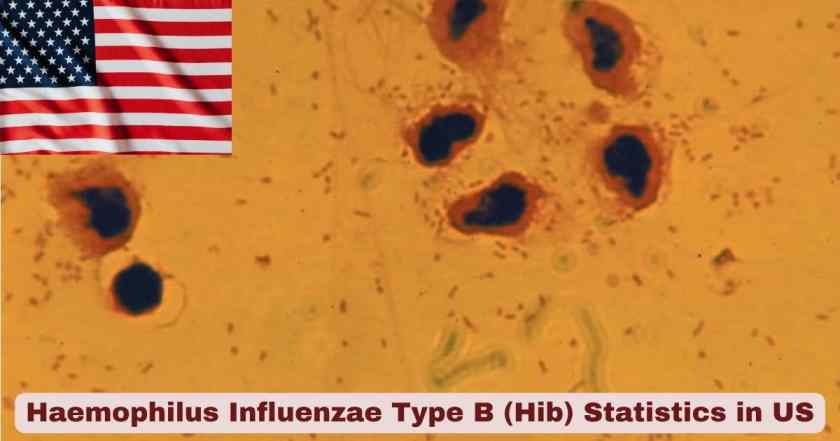
What is Haemophilus Influenzae Type B (Hib)?
Haemophilus influenzae type b, universally known as Hib, is a gram-negative bacterium capable of causing some of the most severe and life-threatening infections in young children. Unlike the common name might suggest, Hib has nothing to do with influenza — it is a bacterial pathogen entirely distinct from the influenza virus, and it primarily invades tissues that are normally germ-free: the blood, the brain, the joints, the lungs, and the pericardium surrounding the heart. Before an effective vaccine entered routine use in the United States, Hib was the leading cause of bacterial meningitis among children under 5 years of age and the source of one of the most feared pediatric emergencies in American medicine: epiglottitis, a swelling of the airway flap that could suffocate a child in hours. Pediatricians who practiced before the early 1990s remember Hib disease as a defining nightmare of pediatric care — children arriving in respiratory distress, hospitals maintaining dedicated “epiglottitis teams” on standby, and families confronting diagnoses that often meant death or permanent disability. Approximately 20,000 cases of invasive Hib disease occurred in the United States every year before vaccination became routine, and nearly 1,000 children died annually as a result.
That picture changed in one of the most dramatic and well-documented success stories in the history of American public health. The introduction of the Hib conjugate vaccine — first for children aged 18 months and older in 1987, then for infants starting at 2 months of age in 1990 — produced a 99% reduction in invasive Hib disease in children under 5 within just a few years. As of the most recent surveillance data published by the Centers for Disease Control and Prevention (CDC) in 2025, invasive Hib disease remains rare in the United States, with fewer than 1 case per 100,000 children under 5 years old. The disease has not disappeared, however. Sporadic cases continue to occur, almost entirely among unvaccinated or undervaccinated children and vulnerable adults, and surveillance data through 2023 shows that non-b and nontypeable strains of H. influenzae are on a rising trend — creating a new and evolving epidemiological challenge even as Hib itself remains under control. As of 2026, Hib vaccination remains a Category 1 recommended vaccine for all children in the United States under both the CDC’s revised 2026 schedule and international consensus.
Interesting Key Facts About Hib Disease in the US 2026
| Key Fact | Detail |
|---|---|
| Pre-vaccine annual cases (US) | ~20,000 cases of invasive Hib disease per year in the US, primarily in children under 5 |
| Pre-vaccine annual deaths (US) | Nearly 1,000 children per year died from Hib disease |
| Disease reduction after vaccination | 99% reduction in invasive Hib disease in children under 5 since routine infant vaccination began in 1990 |
| Current incidence (children <5) | Fewer than 1 case per 100,000 children under 5 — below the Healthy People 2020 target of 0.27/100,000 |
| 2015–2022 average incidence (<5 yrs) | 0.14 cases per 100,000 children under 5 — sustained low since vaccine era |
| Hib cases in children <5 (2019) | 18 cases of Hib in US children age 5 and under reported to CDC |
| Hib cases in children <5 (2023, 14-state sample) | 13 cases in children under 5 — most unvaccinated or incompletely vaccinated |
| Hib case-fatality ratio (children) | 3% to 6% of Hib cases in children are fatal |
| Hib meningitis survivors — hearing loss | Up to 20% of survivors of Hib meningitis develop permanent hearing loss or other neurological sequelae |
| Pre-vaccine leading cause of bacterial meningitis | Hib was the leading cause of bacterial meningitis in US children under 5 before vaccine introduction |
| Hib vaccine series recommended ages | Given in a series of 3 or 4 doses between 2 months and 15 months of age |
| Hib vaccination status — Category 1 (2026) | Hib vaccine remains a Category 1 recommended vaccine for all children in the updated US schedule |
| Vaccination rate required to maintain herd benefit | Rates must remain above approximately 90% in infants and toddlers to maintain community protection |
| Older adults (65+) case-fatality ratio | Higher case-fatality ratio for adults 65 and older than for children with invasive H. influenzae disease |
| Non-b and nontypeable H. influenzae trend | Non-b and nontypeable strains were increasing until 2020, then began increasing again in 2022 |
| Highest-risk age group — infants (<1 year) | Children under 1 year old have the highest incidence of H. influenzae disease across all age groups |
| AI/AN children — Hib full series coverage gap | Hib full-series coverage was 12.1 percentage points lower among American Indian/Alaska Native children vs. White children |
| Alaska Native Hib rates vs. ABCs average (2005–2019) | Alaska Native people had unadjusted Hib rates 15.5 times higher than non-Alaska Native people in Alaska; Alaska’s age-adjusted rate was 9.4 times higher than the national ABCs rate |
Source: CDC H. influenzae Disease Surveillance and Trends page (updated September 22, 2025); CDC Clinical Overview of H. influenzae Disease (updated September 22, 2025); CDC Manual for Surveillance of Vaccine-Preventable Diseases, Chapter 2 (updated February 2026); CDC MMWR NIS-Child Reports 2023–2026; CHOP Vaccine Education Center; HHS Childhood Immunization Schedule Fact Sheet (January 5, 2026); Pediatric Infectious Disease Journal 2022
These facts carry the full weight of one of the most consequential preventive medicine achievements in American history — and a clear reminder of what remains at stake. The transformation from 20,000 cases and 1,000 deaths per year to fewer than 20 cases in children under 5 in a given year did not happen by accident. It happened because the Hib conjugate vaccine, introduced for infants in 1990, achieved something technically remarkable: it eliminated not just disease but nasopharyngeal colonization, reducing community transmission and even protecting unvaccinated individuals through herd immunity. The 3%–6% case-fatality ratio for Hib in children — and the fact that up to 20% of survivors of Hib meningitis are left with permanent hearing loss or other neurological damage — explains why the stakes of any retreat in vaccination coverage are so high. The 13 cases reported in 14 states in 2023, with the majority of those children unvaccinated or not yet finished with their series, is not a trivial statistic. It is a direct signal of what happens when vaccine coverage slips, and it mirrors patterns seen with other vaccine-preventable diseases that have resurged when vaccination rates declined.
The pattern of disparate risk among American Indian and Alaska Native (AI/AN) children is among the most persistent and troubling findings in Hib surveillance data. Even in the vaccine era, Alaska Native people had Hib incidence rates 9.4 times higher than the national surveillance average — a disparity rooted in historical inequities in healthcare access, higher rates of household crowding, and differences in immune response parameters that have been documented in the scientific literature for decades. The update in the 2025 ACIP immunization schedule specifying Vaxelis and PedvaxHIB as the two preferred Hib vaccines specifically for American Indian and Alaska Native infants reflects the ongoing public health effort to address this gap with evidence-based, community-specific recommendations.
Hib Disease Prevalence and Incidence in the US
| Metric | Figure | Data Source / Year |
|---|---|---|
| Pre-vaccine annual US cases (children <5) | ~20,000 invasive Hib cases per year | CDC; CHOP; Mass.gov historical data |
| Pre-vaccine annual US deaths | ~1,000 deaths per year among children | CDC; CHOP; Mass.gov |
| Pre-vaccine incidence (children <5) | ~23 cases per 100,000 in children under 5 | PMC (Hib Vaccines: Their Impact, 2021) |
| Post-vaccine incidence reduction | 99% decrease since routine infant vaccination (1990) | CDC; multiple peer-reviewed sources |
| Current incidence (children <5) | Fewer than 1 case per 100,000 | CDC Chapter 2, Manual for Surveillance (Feb 2026) |
| 2015–2022 average incidence (children <5) | 0.14 cases per 100,000 | CDC Chapter 2, Manual for Surveillance (Feb 2026) |
| 2009–2015 estimated Hib incidence (all ages) | 0.03 cases per 100,000 (all age groups) | PMC / CDC ABCs data; Clin Infect Dis 2018 |
| 2009–2015 Hib incidence (<1 year) | 0.30 cases per 100,000 (highest age group) | PMC / CDC ABCs data |
| 2009–2015 Hib cases reported to ABCs | 77 Hib cases — median age 49 years; 29.9% were children under 5 | Clinical Infectious Diseases / PMC CDC data 2018 |
| Children <5 with Hib (2009–2015) — unvaccinated/undervaccinated | Of Hib cases in children <5: 26.1% unvaccinated, 43.5% undervaccinated | Clin Infect Dis / PMC 2018 |
| Hib cases in children <5 (2019) | 18 cases in the US | CHOP Vaccine Education Center |
| Hib cases in children <5 (2023 — 14 states) | 13 cases in ~25% of US | CHOP / CDC 2023 enhanced pediatric surveillance |
| Meningitis syndrome among Hib cases in children <5 (2009–2015) | 40.9% presented with meningitis | CDC ABCs / Clin Infect Dis 2018 |
| Bacteremic pneumonia among Hib cases in children <5 | 27.3% | CDC ABCs / Clin Infect Dis 2018 |
| Invasive Hib disease — nationally notifiable | Yes — reported to CDC through NNDSS weekly | CDC Surveillance and Trends, September 22, 2025 |
| Incidence at Healthy People 2020 target | 0.27/100,000 in children <5 — current rates are well below this target | CDC / Healthy People 2020 |
Source: CDC H. influenzae Disease Surveillance and Trends (September 22, 2025); CDC Manual for Surveillance of Vaccine-Preventable Diseases, Chapter 2 Haemophilus influenzae (updated February 20, 2026); “Current Epidemiology and Trends in Invasive Haemophilus influenzae Disease — United States, 2009–2015” PMC/Clinical Infectious Diseases 2018; “Hib Vaccines: Their Impact on Haemophilus influenzae type b Disease” PMC 2021; CHOP Vaccine Education Center (updated February 25, 2026)
The current Hib disease incidence in the United States represents one of the most striking examples of vaccine-driven disease elimination in modern medicine. The sustained rate of 0.14 cases per 100,000 children under 5 between 2015 and 2022 — updated in the CDC’s February 2026 surveillance manual — sits far below the Healthy People 2020 goal of 0.27/100,000, itself already a fraction of prevaccine rates. What makes the ongoing CDC surveillance of Hib through ABCs (Active Bacterial Core surveillance) so critical is that it captures not just case counts but the vaccination histories of those who fall ill. The 2009–2015 ABCs data — among the most detailed published analyses — found that of Hib cases in children under 5, only two children were too young to have received vaccine, while 26.1% were completely unvaccinated and 43.5% were undervaccinated (usually missing the booster dose at 12–15 months). This pattern has been consistent across surveillance years and makes clear that the disease burden is almost entirely a function of incomplete or absent vaccination, not vaccine failure.
The clinical presentation data from the same surveillance period shows that Hib continues to cause its most devastating complications in those it does strike. Among Hib cases in children under 5, 40.9% presented with meningitis — the condition most associated with permanent neurological damage — and 27.3% presented with bacteremic pneumonia, a life-threatening systemic infection. These are not mild illnesses. They represent the same spectrum of disease that killed and disabled thousands of American children every year before the vaccine era. The fact that nationally notifiable disease reporting through NNDSS now captures only a handful of cases per year, rather than the tens of thousands that characterized the 1980s, is a direct measure of what sustained, high-coverage childhood vaccination achieves.
Hib Disease by Age Group in the US 2026
| Age Group | Key Finding | Data Source |
|---|---|---|
| Children under 1 year (infants) | Highest incidence of H. influenzae disease of any age group; 2009–2015 Hib incidence = 0.30/100,000 | CDC Surveillance and Trends; CDC ABCs / Clin Infect Dis 2018 |
| Children under 5 years | Most historically affected age group; now <1 case per 100,000 due to vaccination | CDC; Multiple |
| Infants <1 month (neonates) | Many infant cases in first month — especially preterm or low-birth-weight infants | CDC ABCs / Clin Infect Dis 2018 |
| Children 1–4 years (2009–2015 Hib incidence) | 0.08 cases per 100,000 — already very low | CDC ABCs / PMC 2021 |
| Children <5, AIANs (2009–2015) | 15.19 cases per 100,000 vs. 2.62/100,000 all other races — extraordinarily elevated | CDC ABCs / Clin Infect Dis 2018 |
| Adults 50 and older (2009–2015 Hib incidence) | 0.04 cases per 100,000 (highest among adult groups) | CDC ABCs / PMC 2021 |
| Adults 65 and older | Higher case-fatality ratio than children; highest incidence among nontypeable H. influenzae across all age groups | CDC Clinical Overview, September 22, 2025; CDC ABCs 2019–2023 data |
| Adults 65+ (invasive H. influenzae, 2009–2015) | 6.30 cases per 100,000 (all types combined, including nontypeable) | Clin Infect Dis 2018 |
| Children <1 year — H. influenzae all serotypes (2009–2015) | 8.45 cases per 100,000 (all serotypes, highest any age group) | Clin Infect Dis 2018 |
| 2019–2023 trend | Incidence highest among children <1 year AND adults 65+ — for nontypeable strains | CDC Surveillance and Trends, September 22, 2025 |
| Overall — all ages (2009–2015) | 1.70 cases per 100,000 (all H. influenzae combined, all serotypes) | Clin Infect Dis 2018 |
| Fatal cases — highest case-fatality ratio age group | 20% case-fatality ratio among adults 65 and older (all H. influenzae types) | Clin Infect Dis 2018 |
Source: CDC H. influenzae Disease Surveillance and Trends (September 22, 2025); CDC Clinical Overview of H. influenzae Disease (September 22, 2025); “Current Epidemiology and Trends in Invasive Haemophilus influenzae Disease — United States, 2009–2015” published in Clinical Infectious Diseases, PMC 2018
The age distribution of Hib disease in the United States has shifted substantially since vaccination became routine — and understanding that shift is important for interpreting current surveillance data accurately. In the prevaccine era, the disease was overwhelmingly concentrated in children aged 6 months to 5 years, with peak incidence in the first two years of life. Today, because vaccination has nearly eliminated disease in that age group, the few remaining Hib cases appear across a wider age range. The 2009–2015 CDC ABCs data found that Hib cases reported to active surveillance had a median age of 49 years — reflecting that the rare adult or older child who contracts Hib is now more likely to appear in the data than a vaccinated young child. Among nontypeable H. influenzae — a different bacterium from Hib but tracked by the same surveillance systems — adults 65 and older carry the highest disease burden, with incidence reaching 6.30 cases per 100,000 across all H. influenzae types combined.
The most alarming age-specific finding in Hib surveillance data is not in the general population, but among American Indian and Alaska Native (AI/AN) children under 5, where the 2009–2015 ABCs incidence of 15.19 cases per 100,000 was more than five times higher than the rate for all other races combined. This disparity is not attributable to the vaccine failing; it reflects the intersection of lower vaccination coverage rates and social determinants of health including crowded housing (which facilitates bacterial transmission), geographic remoteness (which creates barriers to timely healthcare), and immunological factors that have been documented in AI/AN populations since the early vaccine trials. The recognition of this disparity directly shaped the 2025 ACIP immunization schedule update, which added Vaxelis as a preferred Hib vaccine for American Indian and Alaska Native infants alongside the long-preferred PedvaxHIB — a targeted, evidence-based response to a persistent and documented disparity.
Hib Disease Outcomes and Complications in the US
| Outcome / Complication | Finding | Data Source |
|---|---|---|
| Case-fatality ratio — Hib in children | 3% to 6% of Hib cases in children are fatal | CDC Clinical Overview, September 22, 2025 |
| Case-fatality ratio — adults 65+ (all H. influenzae types) | 20% case-fatality ratio | CDC ABCs / Clin Infect Dis 2018 |
| Case-fatality ratio — nontypeable H. influenzae (all ages) | 16.1% — highest of any H. influenzae serotype | Clin Infect Dis 2018 |
| Permanent hearing loss — Hib meningitis survivors | Up to 20% develop permanent hearing loss or other long-term neurological sequelae | CDC Clinical Overview, September 22, 2025 |
| Hearing loss rate post-bacterial meningitis (USA) | 13.7% (compared to 30.4% in low-income countries) | Frontiers in Surgery review, PMC |
| Cognitive impairment, learning disability, epilepsy | Documented long-term complications in Hib meningitis survivors | PMC/MDPI bacterial meningitis neurological sequelae review 2021 |
| Hib meningitis — dexamethasone benefit | Early adjuvant corticosteroid use in Hib meningitis reduces risk of hearing loss and severe neurological complications | PMC/MDPI bacterial meningitis review 2021 |
| Secondary cases risk | People living with or attending daycare with a Hib case are at increased risk; CDC recommends chemoprophylaxis for close contacts | CDC Clinical Overview, September 22, 2025 |
| Death cases — general mortality observation | Among 14.5% overall fatal cases across all H. influenzae types (2009–2015): highest in older adults | Clin Infect Dis 2018 |
| Hib meningitis clinical presentation (children <5, 2009–2015) | 40.9% meningitis; 27.3% bacteremic pneumonia; 13.6% bacteremia; 18.2% other | CDC ABCs / Clin Infect Dis 2018 |
| Pre-vaccine epiglottitis | Hib was the leading cause of epiglottitis — a life-threatening airway emergency — in children under 5 | CDC; CHOP clinical history |
| Serious conditions caused by invasive Hib | Meningitis, pneumonia, epiglottitis, septic arthritis, bacteremia, cellulitis, pericarditis, osteomyelitis | CDC Clinical Overview; Red Book (AAP) |
Source: CDC Clinical Overview of Haemophilus influenzae Disease (September 22, 2025); “Current Epidemiology and Trends in Invasive Haemophilus influenzae Disease — United States, 2009–2015,” Clinical Infectious Diseases, PMC 2018; “Bacterial Meningitis in Children: Neurological Complications, Associated Risk Factors, and Prevention,” PMC/MDPI 2021; Frontiers in Surgery hearing loss review; CHOP Vaccine Education Center
The clinical consequences of Hib disease — when it does occur — have not become any less severe just because the disease is now rare. A child who contracts invasive Hib disease in 2026 faces exactly the same spectrum of outcomes as a child who contracted it in 1985, minus only the advantage of modern antibiotic treatment. The 3%–6% case-fatality ratio confirmed by the CDC’s Clinical Overview (updated September 22, 2025) means that between 3 and 6 out of every 100 children who develop invasive Hib disease will die — a rate that is comparable to or higher than many infectious diseases that receive far more public attention. The 20% permanent neurological damage rate among Hib meningitis survivors — including hearing loss, cognitive impairment, learning disabilities, and epilepsy — means that for every child who survives Hib meningitis, there is a one-in-five chance that they will carry a lasting disability for the rest of their lives.
The finding that early dexamethasone treatment can reduce the risk of hearing loss in children with Hib meningitis provides clinicians with an actionable intervention — but only if the diagnosis is made quickly and treatment begins without delay. One of the most important aspects of managing Hib disease remains chemoprophylaxis for close contacts, which the CDC recommends specifically for cases of Hib (unlike other H. influenzae types) to prevent secondary cases among household and daycare contacts who may be unvaccinated or incompletely vaccinated. The spectrum of serious conditions caused by Hib is broader than most people realize: beyond meningitis and epiglottitis, the bacteria can cause septic arthritis, bacteremia, facial cellulitis, pericarditis, and osteomyelitis — invasions of virtually every major tissue system in the body. The rarity of these outcomes today should be understood as the direct consequence of maintained vaccination coverage, not as evidence that the pathogen’s danger has diminished.
Hib Vaccination Coverage in the US 2026
| Vaccination Metric | Figure | Data Source / Year |
|---|---|---|
| Hib conjugate vaccine — first introduced for toddlers | 1987 (polysaccharide conjugate for ages 18+ months) | CDC; CHOP; PMC 2021 |
| Hib conjugate vaccine — introduced for infants | 1990 (conjugate for infants starting at 2 months) | CDC; CHOP |
| Recommended vaccine schedule | 3 or 4 doses at 2, 4, 6 months + booster at 12–15 months (varies by product) | CDC ACIP 2025 Immunization Schedule; MMWR 2025 |
| Hib vaccine — 2025 schedule update | Vaxelis added as second preferred option for AI/AN infants alongside PedvaxHIB | ACIP MMWR January 2025; AAP News November 2024 |
| Hib vaccine — 2026 schedule status | Remains Category 1 recommended vaccine for all children | HHS/CDC Childhood Immunization Schedule Update, January 5, 2026 |
| Primary series coverage decline (2021–2022 birth cohort) | Declines of 1–2 percentage points observed for Hib primary series vs. 2019–2020 cohort | CDC MMWR NIS-Child 2022–2024, March 26, 2026 |
| AI/AN children — Hib full series coverage gap | 12.1 percentage points lower Hib full-series coverage vs. White children (2019–2020 birth cohort) | CDC MMWR NIS-Child, November 2023 |
| VFC-eligible children — coverage disparity | VFC-eligible children had lower Hib coverage than non-VFC-eligible across birth years | CDC MMWR NIS-Child multiple years |
| National kindergarten vaccination coverage (2024–2025) | Overall vaccine coverage among kindergartners decreased for all reported vaccines from prior year; DTaP: 92.1%, MMR: 92.5% | CDC SchoolVaxView, July 31, 2025 |
| Kindergarten exemptions (2024–2025) | Exemptions from one or more vaccines rose to 3.6% (from 3.3%); 17 states reported exemptions exceeding 5% | CDC SchoolVaxView, July 31, 2025 |
| Herd immunity threshold for community protection | Vaccine coverage must remain above ~90% in infants and toddlers to maintain herd benefit | CHOP Vaccine Education Center |
| Vaccines for Children (VFC) program coverage | Hib vaccine is covered under VFC for all eligible children — uninsured, Medicaid, AI/AN, or underinsured receiving vaccines at qualifying sites | CDC VFC program; MMWR NIS-Child 2026 |
| Hib vaccine under updated 2026 ACA rules | All immunizations as of December 31, 2025 — including Hib — remain fully covered by ACA insurance plans and federal programs without cost-sharing | HHS Fact Sheet, January 5, 2026 |
| Trust in public health 2020–2024 | Trust in US public health declined from 72% to 40% between 2020 and 2024; childhood vaccine uptake declined over same period | HHS/CDC Assessment cited in January 2026 immunization schedule update |
Source: CDC MMWR NIS-Child 2022–2024 (published March 26, 2026); CDC SchoolVaxView Interactive (published July 31, 2025); CDC MMWR Advisory Committee on Immunization Practices Immunization Schedule 2025 (published January 16, 2025); HHS Fact Sheet on CDC Childhood Immunization Schedule (January 5, 2026); CHOP Vaccine Education Center (updated February 25, 2026); CDC MMWR NIS-Child November 2023
The Hib vaccination coverage landscape in the United States in 2026 sits at a delicate crossroads between the remarkable success of a three-decade immunization program and a genuine, data-confirmed erosion in overall childhood vaccination rates that poses a real risk to that success. The most current CDC MMWR NIS-Child report, published March 26, 2026, draws on survey data from 2022 and 2024 and finds that coverage with the Hib primary series declined by 1–2 percentage points among children born in 2021 and 2022 compared to those born in 2019 and 2020. While that decline sounds modest, it must be understood against the backdrop of where the U.S. is coming from: kindergarten exemption rates have risen to 3.6% nationally, with 17 states now reporting exemptions exceeding 5% as of the 2024–2025 school year — a figure that begins to approach or exceed the threshold needed to maintain herd protection for Hib. Public trust in health institutions fell from 72% to 40% between 2020 and 2024, and childhood vaccination rates declined across multiple vaccines during the same period.
The vaccination disparities documented by the CDC are stark and persistent. American Indian and Alaska Native children had Hib full-series coverage that was 12.1 percentage points lower than White children as recently as the 2019–2020 birth cohort, driving directly into the elevated disease rates seen in those communities. VFC-eligible children — who are uninsured, on Medicaid, or AI/AN, representing roughly half the US child population — consistently show lower Hib coverage than privately insured peers, even though the Vaccines for Children (VFC) program covers the cost of vaccination at no charge. The 2025 ACIP schedule update naming Vaxelis and PedvaxHIB as the two preferred products specifically for AI/AN infants reflects a targeted, evidence-based effort to address both coverage and immune response in that population. As of January 2026, the Hib vaccine remains in the top tier of recommended vaccinations — Category 1 — under the revised US childhood immunization schedule and is fully covered without cost-sharing under ACA plans and federal insurance programs, preserving one of the most cost-effective public health investments in American medicine.
Non-b and Nontypeable H. influenzae Trends in the US 2026
| Metric | Finding | Data Source / Year |
|---|---|---|
| Most common H. influenzae type in US (post-vaccine) | Nontypeable H. influenzae (NTHi) — majority of invasive disease in all age groups | CDC Surveillance and Trends, September 22, 2025 |
| NTHi incidence (2009–2015) | 1.22 cases per 100,000 — highest of all H. influenzae types | Clin Infect Dis 2018 |
| NTHi case-fatality ratio (2009–2015) | 16.1% — highest of all H. influenzae types | Clin Infect Dis 2018 |
| NTHi trend post-2022 | Increasing again after dip in 2020–2021 | CDC Surveillance and Trends, September 22, 2025 |
| Serotype f incidence (2009–2015) | 0.27/100,000 — highest among non-b encapsulated serotypes | Clin Infect Dis 2018 |
| Serotype a (Hia) incidence — children <5 | 0.25/100,000 (all races); 15.19/100,000 in AI/AN children <5 | Clin Infect Dis 2018 |
| Serotype a (Hia) — Alaska (2002–2011) | Alaska Native children: 18/100,000 vs. non-Native children: 0.5/100,000 (risk ratio = 36) | CDC Emerging Infectious Diseases, June 2013 |
| Hib (type b) incidence (2009–2015) | 0.03/100,000 — lowest among major serotypes; CFR 4% | Clin Infect Dis 2018 |
| Increase in overall H. influenzae incidence (2002–2015) | 16% increase in invasive H. influenzae disease, driven by nontypeable strains and serotype a | Clin Infect Dis 2018 |
| Proportion of isolates serotyped (2009–2015) | 88.7% of isolates available for serotyping; 71.6% nontypeable; 16.3% serotype f | Clin Infect Dis 2018 |
| No vaccine available for non-b serotypes | There are no vaccines for non-b or nontypeable H. influenzae disease | CDC Clinical Overview, September 22, 2025 |
| Nontypeable H. influenzae — common infections | Otitis media and sinusitis in children; bronchitis in adults — most common non-invasive forms | CDC Clinical Overview, September 22, 2025 |
| 2015–2022 nontypeable and non-b H. influenzae trend | Estimated annual incidence increasing using ABCs data | CDC Manual for Surveillance, Chapter 2 (Feb 2026) |
| Bacterial meningitis trend (2008–2023) | Hib meningitis incidence declining; overall bacterial meningitis resurgence in 2022–2023 | Lancet Regional Health — Americas, May 2025 |
Source: CDC H. influenzae Disease Surveillance and Trends (September 22, 2025); CDC Clinical Overview (September 22, 2025); CDC Manual for Surveillance of Vaccine-Preventable Diseases, Chapter 2 (February 20, 2026); “Current Epidemiology and Trends in Invasive Haemophilus influenzae Disease — United States, 2009–2015” Clinical Infectious Diseases / PMC 2018; CDC Emerging Infectious Diseases journal (Hia in Alaska, 2013); Lancet Regional Health — Americas (bacterial meningitis epidemiology 2008–2023, May 2025)
The rising trend of non-b and nontypeable Haemophilus influenzae disease in the United States represents one of the most important and underappreciated public health stories in contemporary infectious disease surveillance. While Hib itself has been brought to near-elimination through vaccination, the ecological void left by the disappearance of H. influenzae type b from the nasopharyngeal environment appears to have been partially filled by other strains that lack any vaccine-preventable counterpart. Nontypeable H. influenzae (NTHi) — unencapsulated strains that cause no capsular antigen-specific immunity — now account for the vast majority of invasive H. influenzae disease in the United States and carry a case-fatality ratio of 16.1% among invasive cases, according to the CDC’s 2009–2015 ABCs analysis. That is more than twice the case-fatality ratio of Hib in children, and it occurs in a population — primarily older adults and immunocompromised individuals — for whom there is no approved vaccine.
The CDC’s own surveillance page, updated in September 2025, explicitly states that non-b and nontypeable H. influenzae disease was increasing until 2020, paused during the COVID-19 pandemic period, and has been increasing again since 2022. Serotype a (Hia) has attracted particular scientific attention as a strain causing disease clinically similar to Hib — especially among American Indian and Alaska Native children — with incidence rates in Alaska Native children reaching 18 per 100,000 versus 0.5 per 100,000 in non-Native children during one documented surveillance period, a 36-fold disparity. No vaccine currently targets Hia, and its increasing prevalence in indigenous communities in Alaska, northern Canada, and the American Southwest represents a major unmet need in H. influenzae vaccine development. As of 2026, the CDC’s and researchers’ repeated calls for enhanced public health surveillance to capture non-b disease more effectively — and the ongoing development of vaccines against nontypeable strains — remain urgent priorities.
Hib Disease Risk Factors in the US 2026
| Risk Factor | Detail | Data Source |
|---|---|---|
| Unvaccinated or undervaccinated status | Primary risk factor — nearly all pediatric Hib cases occur in unvaccinated or undervaccinated children | CDC Clinical Overview; ABCs surveillance data |
| Age under 1 year | Highest incidence of H. influenzae disease overall; maternal antibodies wane; vaccine series not yet complete | CDC Surveillance 2019–2023 data |
| Age 65 and older | Highest case-fatality ratio and high incidence of nontypeable H. influenzae disease | CDC Surveillance; Clin Infect Dis 2018 |
| American Indian and Alaska Native (AI/AN) identity | 15× higher incidence of Hib in AI/AN children under 5 vs. all other races combined | Clin Infect Dis 2018; CDC ABCs data |
| Functional or anatomic asplenia | Loss of spleen function dramatically increases risk of encapsulated bacterial infections including Hib | CDC Risk Factors page, September 22, 2025 |
| Antibody deficiency syndromes | Rare immunodeficiency conditions impairing ability to fight infections | CDC Risk Factors page, September 22, 2025 |
| Complement deficiency | Inability to mount effective bactericidal immune response | CDC Risk Factors page, September 22, 2025 |
| Cancer requiring chemotherapy, radiation, or stem cell transplant | Hematologic and oncologic treatments significantly reduce immune competence | CDC Risk Factors page, September 22, 2025 |
| HIV infection | Immune compromise increases susceptibility to encapsulated bacteria | CDC Risk Factors page, September 22, 2025 |
| Preterm birth or low birth weight | Increased risk for invasive disease, especially in infants under 1 month | CDC ABCs / Clin Infect Dis 2018 |
| Living in crowded household conditions | Facilitates nasopharyngeal carriage and transmission | CDC; PMC epidemiology literature |
| Daycare attendance | Close contact increases exposure risk; CDC recommends chemoprophylaxis for daycare contacts of cases | CDC Clinical Overview, September 22, 2025; CDC Risk Factors page |
| Close contact with an Hib case | Highest individual risk factor for secondary disease; chemoprophylaxis recommended | CDC Clinical Overview, September 22, 2025 |
| Poverty — below federal poverty level | Children in poverty have lower Hib vaccination coverage and potentially greater exposure risk | CDC MMWR NIS-Child 2023–2026 |
Source: CDC Risk Factors for Haemophilus influenzae Disease (September 22, 2025); CDC Clinical Overview of Haemophilus influenzae Disease (September 22, 2025); “Current Epidemiology and Trends in Invasive Haemophilus influenzae Disease — United States, 2009–2015” Clinical Infectious Diseases / PMC 2018; CDC MMWR NIS-Child Reports 2023 and 2026
The risk factor profile for Hib disease in the United States in 2026 is shaped primarily by two overlapping categories: incomplete vaccination and immunological vulnerability. The CDC’s Risk Factors page (updated September 22, 2025) identifies a specific set of medical conditions that dramatically increase susceptibility to invasive H. influenzae disease including Hib: functional or anatomic asplenia (absence of spleen function), antibody deficiency syndromes, complement deficiency, cancer requiring chemotherapy, radiation, or hematopoietic stem cell transplantation, and HIV infection. For these individuals, the immune system’s normal ability to recognize and destroy encapsulated bacteria like Hib is profoundly compromised, and even partially vaccinated individuals remain at elevated risk. For adults in these categories who never completed a Hib vaccine series as children, or who underwent treatments that may have wiped out their vaccination-acquired immunity, the CDC may recommend Hib vaccination even in adulthood.
Beyond medical vulnerability, social and demographic risk factors are equally determinative of who contracts Hib in the modern era. The intersection of poverty (lower vaccination coverage, less consistent healthcare access), rural residence (geographic barriers to timely care), AI/AN identity (documented immunological, social, and structural disparities), and crowded household conditions (facilitating bacterial spread) describes the communities most likely to encounter Hib cases in 2026. The daycare setting is explicitly called out by the CDC as a transmission environment that warrants chemoprophylaxis for close contacts of Hib cases — a public health measure reflecting the fact that unvaccinated toddlers in group care settings remain the most likely secondary case candidates. In an era of rising vaccine hesitancy, the risk that low-coverage pockets will emerge within otherwise well-vaccinated communities — creating micro-environments where Hib can circulate — is a genuine and documented concern, as evidenced by the 2022–2023 New York City case cluster published in Emerging Infectious Diseases in which two unvaccinated infants in the same borough contracted Hib meningitis a year apart from a previously undescribed multilocus sequence type.
Hib Disease Surveillance Systems and Policy in the US 2026
| Surveillance / Policy Item | Detail | Data Source |
|---|---|---|
| Primary surveillance system — NNDSS | National Notifiable Diseases Surveillance System — invasive H. influenzae disease is a nationally notifiable condition; CDC receives reports weekly | CDC Surveillance and Trends, September 22, 2025 |
| Active surveillance system — ABCs | Active Bacterial Core surveillance (ABCs) — laboratory surveillance in 10 geographic areas; part of CDC’s Emerging Infections Program | CDC Surveillance and Trends, September 22, 2025 |
| ABCs data tool | Bact Facts Interactive — public tool for analyzing and visualizing ABCs H. influenzae data | CDC Surveillance and Trends, September 22, 2025 |
| Enhanced pediatric surveillance | Pediatric H. influenzae enhanced surveillance report for 2023 released July 2025; covers case counts, incidence by serotype/age, vaccination history, deaths, clinical syndrome, daycare attendance | CDC Surveillance and Trends, September 22, 2025 |
| CSTE case definition (most recent) | Case definition for H. influenzae disease last revised in 2015 by the Council of State and Territorial Epidemiologists (CSTE) | CDC Surveillance and Trends, September 22, 2025 |
| ACIP 2025 schedule — Hib update | Vaxelis added as preferred primary series option for AI/AN infants; PedvaxHIB remains the other preferred option | MMWR January 16, 2025; AAP News November 2024 |
| Hib — 2026 CDC immunization schedule | Retained as Category 1 vaccine — recommended for all children; covered without cost-sharing | HHS/CDC Immunization Schedule Update, January 5, 2026 |
| Chemoprophylaxis recommendation | CDC recommends rifampin chemoprophylaxis for close contacts of Hib cases; not recommended for other H. influenzae types | CDC Clinical Overview, September 22, 2025 |
| ACIP MMWR 2014 — Hib ACIP recommendations | Prevention and Control of Haemophilus influenzae Type b Disease: Recommendations of the ACIP — MMWR Recomm Rep 2014;63(RR-01):1–14 | CDC reference (CHOP, ACIP 2024 slides) |
| NYC Hib cluster — 2022–2023 | Two unvaccinated infants in same NYC borough developed Hib meningitis 1 year apart from novel sequence type — published in CDC Emerging Infectious Diseases, March 2025 | CDC Emerging Infectious Diseases Vol. 31 No. 3, March 2025 |
| Global meningitis goal (WHO) | Global Road Map for Defeating Meningitis by 2030: 50% reduction in cases and 70% reduction in deaths from vaccine-preventable bacterial meningitis since 2015 | Lancet Regional Health — Americas, May 2025 (citing WHO goal) |
| Serotype reporting priority | Reporting serotype for children <5 years is the highest priority; followed by children 5–14 | CDC Chapter 2, Manual for Surveillance (Feb 2026) |
Source: CDC H. influenzae Disease Surveillance and Trends (September 22, 2025); CDC Manual for Surveillance of Vaccine-Preventable Diseases, Chapter 2 (February 20, 2026); CDC Clinical Overview (September 22, 2025); CDC Emerging Infectious Diseases, Vol. 31 No. 3 (March 2025 — NYC Hib cluster); HHS/CDC Childhood Immunization Schedule Update (January 5, 2026); ACIP MMWR January 16, 2025; Lancet Regional Health — Americas (May 2025)
The US surveillance infrastructure for Hib and invasive H. influenzae disease is among the most robust in the world, precisely because the government recognized decades ago that maintaining disease elimination requires ongoing, active monitoring. The dual-system approach — NNDSS for national notifiable disease reporting and ABCs for laboratory-confirmed, population-based active surveillance in 10 geographic areas — allows the CDC to track not just case counts but serotype distribution, vaccination histories, clinical syndromes, death outcomes, and age-specific trends. The 2023 Final Pediatric Enhanced Surveillance Report, released in July 2025 and referenced on the CDC’s surveillance page (updated September 22, 2025), represents the most detailed current snapshot of pediatric Hib in the United States. The Bact Facts Interactive tool, which allows public access to ABCs H. influenzae data, represents an unusual commitment to data transparency that enables researchers, public health officials, and the public to monitor trends in real time.
The policy environment for Hib in 2026 is stable but not without tension. The Hib vaccine’s retention in Category 1 of the revised US childhood immunization schedule — confirmed in the January 5, 2026 HHS update — reflects the international scientific consensus on its importance and ensures continued insurance coverage without cost-sharing for all American families. The 2022–2023 Hib cluster in New York City, published in the CDC’s own Emerging Infectious Diseases journal in March 2025, served as a real-world reminder of what happens when vaccination coverage lapses: two infants, unvaccinated, in the same borough, contracting the same previously undescribed Hib strain a year apart. The study noted concern about ongoing transmission of potentially virulent Hib strains in New York, placing unvaccinated children at risk. As of 2026, the recommended minimum vaccination coverage threshold of 90% in infants and toddlers to maintain community protection against Hib remains an attainable goal — but it is not a guaranteed one in an era where national kindergarten exemption rates are rising and public trust in health institutions has fallen from 72% to 40% in just four years.
Disclaimer: The data reports published on The Global Files are sourced from publicly available materials considered reliable. While efforts are made to ensure accuracy, no guarantees are provided regarding completeness or reliability. The Global Files is not liable for any errors, omissions, or damages resulting from the use of these reports.