
Sleep Apnea in the US 2026
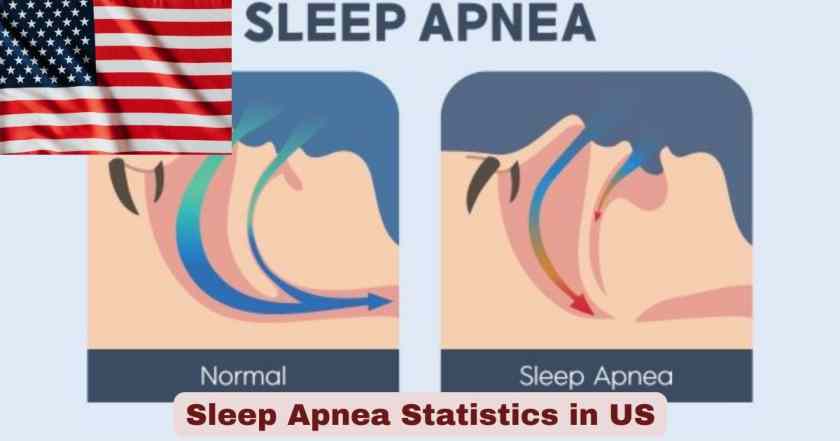
Most people think of sleep apnea as a snoring problem. It is not. It is a chronic respiratory disease in which the upper airway collapses repeatedly during sleep — sometimes hundreds of times a night — cutting off oxygen flow, spiking blood pressure, and forcing the heart into sustained states of physiological stress. And it is happening at a scale that most Americans simply do not appreciate. According to a peer-reviewed systematic review published in Respiratory Medicine in September 2025 — the most comprehensive prevalence estimate to date — an estimated 83.7 million adults aged 20 and older in the United States were living with obstructive sleep apnea (OSA) in 2024, representing 32.4% of the entire US adult population. That figure, derived from a literature-based analysis of polysomnographic studies using the AHI₄ diagnostic standard (all apneas plus hypopneas with ≥4% oxygen desaturation per hour), was produced by researchers affiliated with Brigham and Women’s Hospital and Harvard Medical School and adjusts specifically for the rising prevalence of obesity as OSA’s most powerful modifiable risk factor. The National Heart, Lung, and Blood Institute (NHLBI), part of the National Institutes of Health, independently estimates that 50 to 70 million Americans have a sleep disorder of any kind — and obstructive sleep apnea is the most prevalent of all clinically significant sleep disorders in the country.
What makes this a genuine public health emergency rather than just a medical curiosity is the gap between how many Americans have the disease and how many are actually diagnosed and treated. The American Academy of Sleep Medicine (AASM) and associated research consistently show that approximately 80% of people with clinically significant OSA remain undiagnosed — meaning tens of millions of Americans are experiencing repeated nightly oxygen deprivation, cardiovascular strain, and neurological disruption without knowing why they are fatigued, hypertensive, or cognitively impaired. The Healthy People 2030 program — the US Department of Health and Human Services’ national health objectives framework — specifically targets increasing the proportion of adults with sleep apnea symptoms who receive medical evaluation, with its baseline data from NHANES showing that only 32.9% of adults aged 20 and older with OSA symptoms sought medical evaluation as recently as 2015–16. The economic consequences are staggering. A landmark analysis commissioned by the AASM and prepared by Frost & Sullivan calculated that the annual economic burden of undiagnosed sleep apnea in the US is approximately $149.6 billion — a figure that a 2025 comprehensive global review published in PMC has since updated to total annual societal costs exceeding $150 billion, including approximately $95 billion in direct medical costs plus additional indirect losses from workplace productivity, accidents, and comorbid conditions. Understanding sleep apnea statistics in the US in 2026 is, fundamentally, understanding one of the country’s most costly and most ignored chronic disease crises.
Interesting Facts About Sleep Apnea in the US 2026
| Fact | Verified Statistic |
|---|---|
| Estimated OSA prevalence in US adults (2024) | 83.7 million adults — 32.4% of all US adults aged 20+ |
| Male OSA prevalence (2024) | 49.46 million males — 39.1% of male US adults aged 20+ |
| Female OSA prevalence (2024) | 34.26 million females — 26.0% of female US adults aged 20+ |
| OSA sex ratio | Males account for 59% of all OSA cases; females 41% |
| OSA severity distribution in US (2024) | 52% mild (AHI 5–14); 30% moderate (AHI 15–29); 18% severe (AHI ≥30) |
| Middle-aged men prevalence (ages 30–70) | 34% of men in this age group have OSA (AHA Scientific Statement, 2021) |
| Middle-aged women prevalence (ages 30–70) | 17% of women in this age group have OSA (AHA Scientific Statement, 2021) |
| Americans with a sleep disorder (NHLBI, 2025) | 50 to 70 million Americans have a sleep disorder |
| Proportion of adults with symptoms who sought evaluation | Only 32.9% — Healthy People 2030 baseline from NHANES 2015–16 |
| Annual economic burden of undiagnosed OSA | $149.6 billion (AASM / Frost & Sullivan); updated estimates exceed $150 billion (2025) |
| Annual CPAP therapy cost in US | $3.4 billion — projected to reach $11.1 billion by 2030 |
| OSA prevalence in adults with hypertension | 40% to 80% — AHA Scientific Statement on OSA and Cardiovascular Disease, 2021 |
| OSA prevalence in adults with atrial fibrillation | Up to 40–80% — AHA, American Heart Association, Circulation, 2021 |
| OSA and heart failure overlap | 40–80% of heart failure patients have OSA or sleep-disordered breathing |
| OSA among stroke patients | OSA is present in the majority of stroke patients and is an independent stroke risk factor |
| Sufficient sleep among US adults (2022) | 69.9% of adults aged 18+ get sufficient sleep — NCHS/Healthy People 2030 via NHIS |
| Adults with trouble falling asleep (2020) | 14.5% of adults had trouble falling asleep most days or every day — NCHS Data Brief No. 436 |
| Adults with trouble staying asleep (2020) | 17.8% of adults had trouble staying asleep most days or every day — NCHS Data Brief No. 436 |
| OSA-related MVA fatalities annually | Estimated 1,400 deaths annually from OSA-related motor vehicle accidents (US) |
| OSA increase in MVA risk | People with untreated OSA are 2–3 times more likely to be involved in motor vehicle accidents |
Sources: Sönmez et al., “Unmasking obstructive sleep apnea: Estimated prevalence and impact in the United States,” Respiratory Medicine, September 2025 (PMID: 40957495); Yeghiazarians et al., “Obstructive Sleep Apnea and Cardiovascular Disease: A Scientific Statement from the American Heart Association,” Circulation, 2021; NHLBI, NIH, “What Is Sleep Apnea?” updated January 9, 2025; AASM/Frost & Sullivan
The scale of these numbers is genuinely difficult to absorb. 83.7 million Americans with obstructive sleep apnea is more people than the entire populations of California, Texas, and Florida combined. The 80% undiagnosed rate means that for every person wearing a CPAP mask tonight, roughly four others with the same condition are sleeping — or more precisely, failing to sleep — without knowing why their health is deteriorating. The fact that the Healthy People 2030 baseline showed only 32.9% of symptomatic adults ever sought medical evaluation is perhaps the most damning single figure in US sleep medicine: the majority of Americans who experience classic OSA symptoms — loud snoring, waking gasping, extreme daytime fatigue, morning headaches — still do not raise these concerns with a physician. The AASM’s research into why found a consistent set of answers: patients assume snoring is normal, clinicians are not trained to screen for it, and the healthcare system has historically been reactive rather than preventive when it comes to sleep.
OSA Prevalence by Sex in the US in 2026
| Sex | Estimated Number with OSA (2024) | Prevalence Rate (Adults 20+) | Share of All OSA Cases |
|---|---|---|---|
| Male | 49,459,041 | 39.1% of male adults | 59% of all OSA cases |
| Female | 34,257,378 | 26.0% of female adults | 41% of all OSA cases |
| Total (combined) | 83,716,419 | 32.4% of all adults 20+ | 100% |
| Middle-aged men (30–70 yrs) | — | 34% (AHA 2021) | — |
| Middle-aged women (30–70 yrs) | — | 17% (AHA 2021) | — |
| Men with severe OSA | Disproportionately male | Severe OSA more common in men | — |
| Estimated men ages 30–70 | — | 38% (broader estimate) | — |
| Estimated women ages 30–70 | — | 23% (broader estimate) | — |
Sources: Sönmez et al., “Unmasking obstructive sleep apnea: Estimated prevalence and impact in the United States,” Respiratory Medicine, September 14, 2025; Yeghiazarians et al., American Heart Association Scientific Statement, Circulation 2021;144(3):e56–e67; NHLBI NIH, “Sleep Apnea — Causes and Risk Factors,” updated January 2025; J Clin Sleep Med 2024;20(1):135–149 (AHRQ multisociety commentary).
The male-to-female OSA ratio is approximately 2:1 in the general population, and this gap — while substantial — is actually narrower than earlier research suggested. The September 2025 systematic review from Brigham and Women’s Hospital found that men account for 59% and women for 41% of all US OSA cases, translating to roughly 49.5 million men and 34.3 million women. The NHLBI confirms that men are more likely to have serious sleep apnea and to be diagnosed at a younger age than women, driven by several physiological factors: differences in upper airway anatomy and muscle tone, hormonal influences on respiratory control, and differences in body fat distribution — men tend to accumulate fat around the neck and upper airway, directly narrowing the breathing passage. Alcohol use, which relaxes upper airway muscles and worsens OSA severity, is also more prevalent among men, and smoking — another independent risk factor — has historically been more common among men, though the gender gap in smoking has narrowed considerably.
Women are both underrepresented in OSA statistics and systematically underdiagnosed. The American Heart Association’s 2021 Scientific Statement on OSA and cardiovascular disease specifically noted that OSA is “particularly underdiagnosed and undertreated in women,” a pattern that heightens their cardiometabolic risk over time. Part of the diagnosis gap is symptomatic: women with OSA are more likely to present with fatigue, depression, anxiety, and insomnia rather than the loud snoring and witnessed apneas that more commonly trigger a referral to sleep medicine in men. Post-menopausal women face a particularly steep rise in OSA risk — epidemiological studies show that hormonal changes following menopause significantly increase OSA prevalence in women, narrowing the gender gap considerably in older age groups. As the 2025 review in Circulation Research on OSA and cardiometabolic disease confirmed, OSA “is particularly underdiagnosed and undertreated in women, which may heighten the cardiometabolic risk” even beyond what is captured in current surveillance data.
OSA Prevalence by Severity in the US in 2026
| OSA Severity Level | AHI Threshold (AHI₄ criteria) | Estimated US Adults Affected (2024) | Share of All OSA Cases |
|---|---|---|---|
| Mild OSA | AHI 5 to <15 events/hour | ~43.5 million adults | 52% of all OSA cases |
| Moderate OSA | AHI 15 to <30 events/hour | ~25.1 million adults | 30% of all OSA cases |
| Severe OSA | AHI ≥30 events/hour | ~15.1 million adults | 18% of all OSA cases |
| Total OSA (all severities) | AHI ≥5 events/hour | 83.7 million adults | 100% |
| Moderate-to-severe OSA (combined) | AHI ≥15 events/hour | ~40.2 million adults | 48% of all OSA cases |
| Elderly population (advanced age) | AHI ≥5 events/hour | Prevalence up to 90% in elderly men; 78% in elderly women (systematic review) | — |
| OSA prevalence 4x higher at age 65+ | vs. adults under 40 | Fourfold higher OSA prevalence in older adults | — |
Sources: Sönmez et al., “Unmasking obstructive sleep apnea: Estimated prevalence and impact in the United States,” Respiratory Medicine, September 2025; estimated case counts derived from 83.7M total × severity distribution (52%/30%/18%); Senaratna et al., “Prevalence of obstructive sleep apnea in the general population: A systematic review,” PubMed, 2016 (PMID: 27568340) — elderly OSA rates; NHLBI NIH Sleep Apnea pages, updated January 9, 2025.
The severity breakdown of US sleep apnea cases carries significant clinical implications that the raw prevalence number alone does not convey. Mild OSA — defined as an AHI of 5 to fewer than 15 events per hour — accounts for 52% of all cases, or roughly 43.5 million Americans. Even at this “mild” level, the disease is far from harmless: research consistently links mild OSA to elevated daytime sleepiness, impaired cognitive function, increased motor vehicle accident risk, and early-stage elevations in blood pressure. Moderate OSA (30% of cases, ~25.1 million adults) and severe OSA (18% of cases, ~15.1 million adults) together represent nearly 48% of all US OSA — roughly 40 million Americans living with a level of airway obstruction that the medical literature consistently links to serious cardiovascular, metabolic, and neurological consequences. The fourfold higher OSA prevalence in adults aged 65 and older compared to adults under 40, documented in the September 2025 systematic review, reflects the combined impact of age-related changes in upper airway muscle tone, increased adiposity, comorbid cardiovascular and metabolic disease, and medication use — all of which independently worsen OSA severity as Americans age. In the most elderly populations, systematic reviews have documented OSA prevalence reaching 90% in men and 78% in women at advanced ages, though measurement heterogeneity across studies means these upper-range figures should be interpreted cautiously.
Sleep Apnea and Cardiovascular Disease Statistics in the US 2026
| Cardiovascular Condition | OSA Prevalence / Risk Association | Source |
|---|---|---|
| Hypertension (any form) | 40–80% of hypertension patients have OSA | AHA Scientific Statement, Circulation, 2021 |
| Resistant/poorly controlled hypertension | OSA screening specifically recommended by AHA | AHA Scientific Statement, Circulation, 2021 |
| Heart failure | 40–80% of HF patients have OSA or sleep-disordered breathing | AHA Scientific Statement, Circulation, 2021 |
| Coronary artery disease | 40–80% of CAD patients have OSA | AHA Scientific Statement, Circulation, 2021 |
| Atrial fibrillation | 40–80% of AF patients have OSA | AHA Scientific Statement, Circulation, 2021 |
| Stroke | OSA increases stroke or death risk: hazard ratio 1.97 (95% CI: 1.12–3.48) independently | J Clin Sleep Med — JCSM epidemiologic data |
| Stroke — AHI ≥20 group | Adjusted OR = 4.33 (95% CI: 1.32–14.24) greater stroke odds vs. no OSA | J Clin Sleep Med epidemiologic data |
| Pulmonary hypertension | 40–80% of PH patients have OSA | AHA Scientific Statement, Circulation, 2021 |
| Severe OSA — all-cause mortality | Hazard ratio 3.50 (95% CI: 1.03–11.91) vs. no sleep disorder | J Clin Sleep Med — Korean PSG study, JCSM |
| Severe OSA — cardiovascular mortality | Hazard ratio 17.16 (95% CI: 2.29–128.83) vs. no sleep disorder | J Clin Sleep Med — Korean PSG study |
| Cardiovascular disease as OSA cause of death | ~42% of OSA-related deaths attributed to cardiovascular disease or stroke | Multiple epidemiologic studies |
Sources: Yeghiazarians et al., “Obstructive Sleep Apnea and Cardiovascular Disease: A Scientific Statement from the American Heart Association,” Circulation 2021;144(3):e56–e67 (corrected Circulation 2022;145(12):e775); Yoo et al., “Increased Mortality in Relation to Insomnia and Obstructive Sleep Apnea in Korean Patients Studied with Nocturnal Polysomnography,” J Clin Sleep Med; JCSM epidemiologic review data on OSA-stroke hazard ratios; NHLBI NIH “Sleep Apnea Causes and Risk Factors,” updated January 2025; PMC Global Burden of OSA review, 2025.
The American Heart Association’s 2021 Scientific Statement on OSA and cardiovascular disease — the most authoritative US clinical document on this relationship — states plainly that OSA prevalence is as high as 40% to 80% in patients with hypertension, heart failure, coronary artery disease, pulmonary hypertension, atrial fibrillation, and stroke. That range is not ambiguous; it reflects a genuine epidemic of OSA comorbidity within the cardiovascular patient population. The stroke risk data is particularly striking: epidemiologic evidence shows that OSA independently increases the risk of stroke or death with a hazard ratio of 1.97 — meaning people with untreated OSA face roughly double the risk of stroke or death even after controlling for every other major stroke risk factor including age, sex, race, smoking, alcohol, BMI, diabetes, hypertension, hyperlipidemia, and atrial fibrillation. For those with AHI ≥20, the adjusted odds ratio for stroke climbs to 4.33 — more than fourfold the baseline risk. The NHLBI explicitly confirms that “untreated sleep apnea increases the risk for stroke, heart attack, and other serious problems.”
The severity-mortality relationship deserves particular attention. A study published in the Journal of Clinical Sleep Medicine found that severe OSA carries a hazard ratio for all-cause mortality of 3.50 and a hazard ratio for cardiovascular mortality of 17.16 compared to adults without sleep disorders — findings that, while drawn from a specific clinical cohort, are consistent with the broader epidemiological literature linking severe untreated OSA to dramatically elevated cardiovascular death rates. The AHA’s 2021 statement also notes that despite this overwhelming evidence, “OSA is often underrecognized and undertreated in cardiovascular practice” — and formally recommends screening for OSA in patients with resistant hypertension, pulmonary hypertension, and recurrent atrial fibrillation as a result. The gap between what the science demands and what cardiology practice actually delivers remains one of the most costly clinical mismatches in American healthcare.
Sleep Apnea and Metabolic Disease Statistics in the US 2026
| Metabolic/Comorbid Condition | OSA Association | Source / Authority |
|---|---|---|
| Type 2 Diabetes — OSA overlap | 7 in 10 people with Type 2 diabetes also have OSA | AASM clinical data, 2013 (still widely cited) |
| Type 2 diabetes — OSA severity | More severe OSA → poorer glucose control | AASM; University of Chicago CPAP/glucose study |
| CPAP effect on blood sugar | 1 week of optimal CPAP lowered 24-hour glucose levels; reduced dawn phenomenon by 45% | University of Chicago, cited by AASM |
| Insulin resistance | OSA causes insulin resistance independent of obesity — confirmed by AHA 2021 | AHA Scientific Statement, Circulation, 2021 |
| OSA and obesity | Obesity accounts for ~60% of OSA cases in Western populations | PMC Global Burden Review, 2025; citing cross-cultural 28-country data |
| Obese patients with OSA | OSA affects approximately 40% of people with obesity | Epidemiologic data across multiple studies |
| OSA patients — obesity not required | 44.4% of OSA patients have overweight; 23.5% have normal or low weight | eClinicalMedicine/Lancet IPD meta-analysis, April 2025 (12,860 adults) |
| High blood pressure — OSA link | Up to 50% of OSA cases have high blood pressure | Epidemiologic data, multiple sources |
| Depression in OSA patients | Approximately 46.1% of OSA patients show signs of depression | Published OSA mental health studies |
| Anxiety in OSA patients | Approximately 53.9% of OSA patients experience anxiety | Published OSA mental health studies |
| OSA and bidirectional diabetes risk | OSA exacerbates insulin resistance; diabetes may in turn worsen OSA severity | PMC 2025 review, national trends study |
Sources: AASM, “Patients with Type 2 Diabetes or Hypertension Must Be Evaluated for Sleep Apnea,” 2013; Yeghiazarians et al., AHA Scientific Statement, Circulation 2021; Obesity-OSA IPD meta-analysis, eClinicalMedicine (Lancet), published April 2025 (12,860 adults in US and Swiss cohorts); PMC “Global Socioeconomic Burden of OSA” review, published September 2025; PMC “Global Burden of OSA,” published May 2025.
The relationship between obstructive sleep apnea and Type 2 diabetes is among the most clinically significant — and underappreciated — comorbidity pairings in American medicine. The AASM’s clinical evidence base shows that 7 in 10 people with Type 2 diabetes also have OSA, and the relationship runs in both directions: OSA causes insulin resistance through intermittent hypoxia, sympathetic nervous system activation, and systemic inflammation; and diabetes — through autonomic neuropathy and altered ventilatory control — worsens OSA severity. The University of Chicago research, cited by the AASM, found that just one week of optimal CPAP use lowered average 24-hour glucose levels in Type 2 diabetics and reduced the dawn phenomenon — an early-morning blood sugar spike — by 45%. These findings, if replicated at scale, suggest that aggressively diagnosing and treating OSA in diabetic Americans could meaningfully improve glycemic control in a population where glucose management is notoriously difficult.
One finding from the April 2025 individual participant data meta-analysis of 12,860 adults published in eClinicalMedicine (Lancet) deserves particular emphasis because it challenges a persistent misconception: most adults with OSA do not have obesity. The study found that 44.4% of OSA patients had overweight BMI (not obesity) and 23.5% had normal or low weight — meaning that a thin person’s snoring deserves evaluation just as much as an obese person’s. The 2025 comprehensive PMC global burden review confirmed that obesity accounts for approximately 60% of OSA cases in Western populations, which, while a majority, also means that roughly 40% of OSA in the US exists independently of obesity as a driver. Clinicians and patients who screen for OSA only in obese patients are missing a substantial portion of the affected population.
Sleep Apnea Economic Burden Statistics in the US 2026
| Economic Category | Annual Cost Estimate | Source / Year |
|---|---|---|
| Total economic burden of undiagnosed OSA | $149.6 billion per year | AASM / Frost & Sullivan, published 2016; cited in Watson NF, J Clin Sleep Med, 2016 |
| Updated total annual societal costs | Exceeding $150 billion per year | PMC Global Socioeconomic Burden Review, published September 2025 |
| Direct medical costs (US) | ~$95 billion per year | PMC Global Socioeconomic Burden Review, 2025 |
| Lost workplace productivity and absenteeism | $86.9 billion per year | AASM / Frost & Sullivan, 2016 |
| Increased health care utilization (comorbidities) | $30 billion per year | AASM / Frost & Sullivan, 2016 |
| Motor vehicle accident costs from OSA | $26.2 billion per year (collision expenses + broader) | AASM / Frost & Sullivan; PMC Global Burden Review 2025 |
| Workplace accident costs | $6.5 billion per year | AASM / Frost & Sullivan, 2016 |
| Annual OSA diagnosis cost in US | $2.4 billion per year (2015 estimate) | PMC Global Burden Review, 2025 citing US study |
| Annual CPAP therapy cost in US | $3.4 billion per year | PMC Global Burden Review, 2025 |
| Projected CPAP cost by 2030 | $11.1 billion per year | PMC Global Burden Review, 2025 |
| Potential annual savings if all OSA treated | $100.1 billion | Watson NF, J Clin Sleep Med, 2016;12(8):1075–1077 |
| Cost to diagnose and treat all US OSA patients | $49.5 billion additional annual expenditure | Watson NF, J Clin Sleep Med, 2016 |
| MVA fatalities from OSA annually | Estimated 1,400 deaths | PMC Global Burden of OSA review, 2025 |
Sources: Watson NF, “Health Care Savings: The Economic Value of Diagnostic and Therapeutic Care for Obstructive Sleep Apnea,” J Clin Sleep Med 2016;12(8):1075–1077 (PMID: PMC4957182); AASM/Frost & Sullivan, “Hidden Health Crisis Costing America Billions,” 2016; PMC, “The Global Socioeconomic Burden of Obstructive Sleep Apnea: A Comprehensive Review,” published September 2025 (received June 2025, accepted August 2025); PMC, “The Global Burden of Obstructive Sleep Apnea,” published May 2025 (received November 2024, accepted April 2025).
The economics of sleep apnea in the United States are among the clearest examples of what health economists call the “prevention paradox”: the upfront cost of diagnosing and treating the disease is far lower than the downstream cost of not doing so, yet the system continues to under-invest in diagnosis. The AASM’s landmark analysis calculated that it would cost $49.5 billion in additional annual healthcare spending to diagnose and treat every American with OSA — but that investment would generate $100.1 billion in annual savings from reduced comorbid disease costs, workplace productivity gains, and accident prevention. That is a net return of more than $50 billion per year on what is fundamentally a public health investment in better sleep. The motor vehicle accident data alone underscores the public safety dimension: people with untreated OSA are 2–3 times more likely to be involved in vehicle accidents (PMC Global Burden, 2025), resulting in an estimated 1,400 fatalities annually and $26.2 billion in collision and related costs — numbers that make untreated sleep apnea not merely a personal health problem but a documented road safety hazard affecting everyone sharing the highway.
The $11.1 billion projected CPAP therapy cost by 2030 — triple the current $3.4 billion annual figure — reflects both the rising OSA prevalence driven by the obesity epidemic and the expanding awareness and diagnosis of the disease. It also signals an important market and policy reality: as GLP-1 receptor agonist medications like semaglutide gain approval for obesity treatment and show promise for OSA reduction — a trial published in 2024 demonstrated meaningful OSA severity reductions with semaglutide in obese patients — the economics of OSA care may shift substantially over the coming decade. But as of 2026, the dominant reality remains that tens of millions of Americans with sleep apnea are undiagnosed, untreated, and bearing preventable health and economic costs measured in the hundreds of billions of dollars annually.
Sleep Difficulty and Insufficient Sleep Statistics in the US 2026
| Sleep Metric | Statistic | Year / Source |
|---|---|---|
| Adults getting sufficient sleep (≥7 hours/night) | 69.9% of adults aged 18+ | 2022; NHIS via Healthy People 2030 Objective SH-03 |
| Adults NOT getting sufficient sleep | ~30.1% of adults (derived from 69.9% sufficient) | 2022; NHIS |
| Adults with trouble falling asleep (most/every day) | 14.5% of adults aged 18+ | 2020; NCHS Data Brief No. 436, June 2022 |
| Adults with trouble staying asleep (most/every day) | 17.8% of adults aged 18+ | 2020; NCHS Data Brief No. 436, June 2022 |
| Women — trouble falling asleep | 17.1% of women vs. 11.7% of men | 2020; NCHS Data Brief No. 436 |
| Women — trouble staying asleep | 20.7% of women vs. 14.7% of men | 2020; NCHS Data Brief No. 436 |
| Low-income adults — trouble falling asleep | 21.9% of adults below 100% FPL (vs. 12.6% above 200% FPL) | 2020; NCHS Data Brief No. 436 |
| Rural adults — trouble falling asleep | 17.1% in nonmetropolitan areas (vs. 12.7% in large central metro) | 2020; NCHS Data Brief No. 436 |
| Non-Hispanic White — trouble staying asleep | 21.0% — highest of any racial/ethnic group | 2020; NCHS Data Brief No. 436 |
| Non-Hispanic Asian — trouble staying asleep | 8.7% — lowest of any racial/ethnic group | 2020; NCHS Data Brief No. 436 |
| Younger adults (18–44) — trouble falling asleep | 15.5% | 2020; NCHS Data Brief No. 436 |
| Adults 65+ — trouble staying asleep | 20.3% | 2020; NCHS Data Brief No. 436 |
Sources: CDC/NCHS FastStats Sleep Health, citing Healthy People 2030 Sleep Health Objective SH-03 (NHIS 2022), last reviewed December 3, 2024; CDC/NCHS Data Brief No. 436, “Sleep Difficulties in Adults: United States, 2020,” Adjaye-Gbewonyo, Ng, Black, June 2022.
The NCHS sleep difficulty data from 2020 provides the most granular federally verified picture of the breadth of American sleep problems, and it paints a portrait of a nation systematically under-sleeping. The 14.5% who had trouble falling asleep and the 17.8% who had trouble staying asleep are not fringe statistics — they represent tens of millions of Americans, and their experiences are not uniformly distributed. Women are consistently more affected than men on both metrics: 17.1% vs. 11.7% for trouble falling asleep; 20.7% vs. 14.7% for trouble staying asleep. The socioeconomic gradient is equally stark: adults below the federal poverty line are nearly twice as likely to have trouble falling asleep compared to those above 200% FPL, and rural adults face significantly higher rates than urban residents. These patterns matter for sleep apnea specifically because the same populations — lower-income, rural, older — who disproportionately struggle with sleep quality are also those with the worst access to sleep medicine specialists and diagnostic polysomnography.
The 69.9% of US adults getting sufficient sleep in 2022 is actually an improvement over prior years, but it also means that roughly 30% of American adults — on the order of 80 million people — are chronically sleep deficient. The AASM and Sleep Research Society define sufficient sleep as at least 7 hours per night for adults; below this threshold, research consistently shows elevated risks of obesity, type 2 diabetes, hypertension, cardiovascular disease, depression, and — critically — underdiagnosed OSA whose symptoms are masked by the broader assumption that tiredness is simply a feature of modern life. The non-Hispanic Asian adults who report the lowest rates of both falling and staying asleep difficulties — 8.1% and 8.7% respectively — and the non-Hispanic White adults who report the highest staying-asleep difficulty at 21.0% reflect racial and ethnic patterns that likely interact with cultural differences in sleep hygiene practices, alcohol use, and healthcare-seeking behavior for sleep complaints.
Disclaimer: The data reports published on The Global Files are sourced from publicly available materials considered reliable. While efforts are made to ensure accuracy, no guarantees are provided regarding completeness or reliability. The Global Files is not liable for any errors, omissions, or damages resulting from the use of these reports.